Commercial projects
Why Preventive Sauna Maintenance Reduces Downtime and Unexpected Costs
5 min read
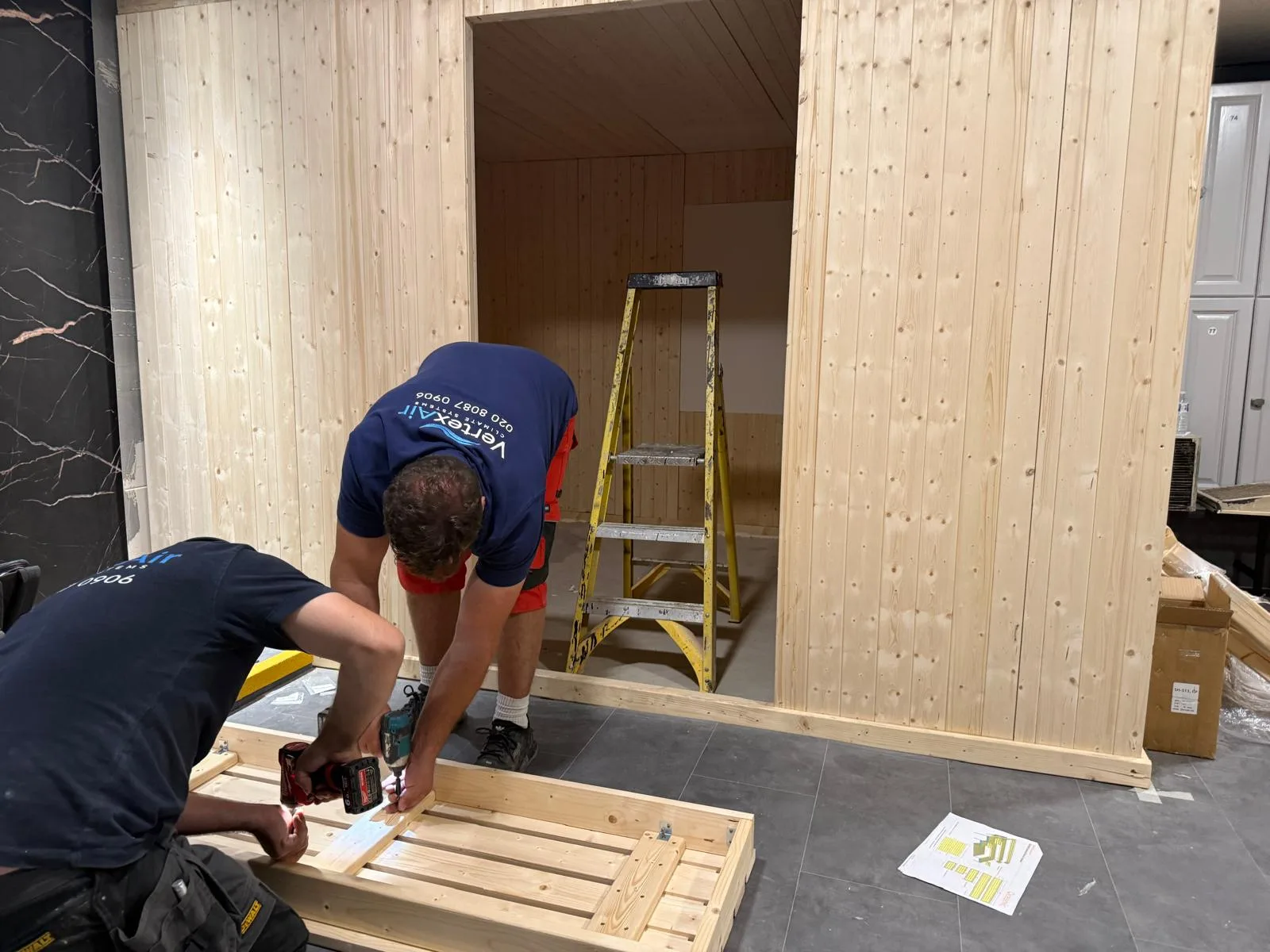
Investing in a high-quality sauna system is a significant commitment to wellness and relaxation. To ensure your sauna remains a reliable retreat, implementing a structured programme of preventive sauna maintenance is essential. Beyond merely extending the lifespan of your timber and components, regular servicing prevents unexpected faults that can disrupt your experience. By prioritising proactive care, you safeguard your investment and maintain the high performance expected of premium installations. This guide outlines how routine checks reduce downtime and maintain your system’s integrity through consistent, professional attention.
The Strategic Value of Preventive Care
A rigorous maintenance schedule is the most effective way to avoid premature component failure. For commercial operators, the financial impact of sauna downtime is compounded by lost revenue and guest dissatisfaction. Even in private home settings, the frustration of a system failing when you need it most can be avoided with foresight. Our approach focuses on identifying minor wear before it escalates into significant mechanical or structural issues.
Proactive management allows you to address degradation systematically rather than reacting to emergencies. By scheduling expert inspections, you ensure that your installation continues to meet the safety and operational standards established during its initial commissioning. This strategy transforms maintenance from a burden into a predictable operational cost.
Daily and Routine Operator Hygiene
Consistent hygiene is the foundation of long-term preservation. Daily cleaning helps prevent the accumulation of oils and perspiration, which can seep into wood fibres and cause discolouration. Always ensure that the heater is completely cool and the system isolated from power before beginning any cleaning procedure. Use only manufacturer-approved cleaning agents, as harsh chemicals or abrasive scrubs can permanently damage the wood surface and compromise its aesthetic appeal.
Develop a simple habit of wiping down surfaces after each session. For commercial environments, this should be integrated into your facility's wider cleaning roster. Regular visual checks for debris or loose fittings during these daily wipes will provide early warning signs of issues that require specialist attention.
Monthly Specialist Servicing Essentials
While routine cleaning is manageable for staff, monthly inspections should involve a competent professional. These sessions are critical for checking electrical connections, testing sensor functionality, and assessing the condition of sauna stones. Over time, stones can crumble or settle, reducing the heater’s efficiency and potentially damaging the elements beneath. A technician will replace worn stones to ensure optimal heat distribution and airflow.
Monthly checks also provide an opportunity to inspect the door seals and glass fixings. A tight seal is vital for energy efficiency and thermal consistency. Should you detect any signs of compromised integrity in these areas, professional adjustment is necessary to prevent heat leakage and the potential for increased energy consumption over time.
Annual Technical Safety Audits
An annual audit serves as a comprehensive health check for your sauna. This process goes beyond standard cleaning to evaluate the structural integrity of your timber and the condition of all electrical components. At Vertex Climate, we emphasise that electrical safety is paramount. Our qualified in-house electricians perform thorough testing to ensure that all wiring remains secure, terminals are clean, and safety interlocks are functioning precisely as designed.
This annual review often reveals the necessity of minor component replacements before they impact the sauna's daily operation. Addressing these items annually avoids the higher cost and disruption associated with major repairs. It is also an ideal time to review the operating environment and ensure that the ventilation remains clear of any obstructions.
Recognising Signs of Impending Faults
Vigilance remains your best defence against sudden equipment failure. If you notice unusual odours, such as a burning smell, or observe smoke, you must stop using the facility immediately. Do not attempt to reset the power or bypass safety devices; these are critical indicators that the system requires urgent investigation by a qualified professional. Isolate the sauna at the consumer unit only if the controls are safely accessible.
Repeated tripping of breakers is another warning sign of potential electrical fatigue or fault within the heating element circuits. Never ignore these signals or repeatedly reset the circuit, as this can exacerbate existing damage. Professional assessment is the only safe route to identifying the source of the electrical issue and restoring safe functionality.
Managing Timber and Interior Surfaces
The timber inside a sauna is a living material that reacts to changes in temperature and humidity. Over time, natural weathering occurs, but this process can be accelerated by poor ventilation or lack of protection. Ensure that your sauna is allowed to dry out fully after use; leaving the door slightly ajar helps moisture escape. This simple practice significantly extends the life of your benching and wall panelling.
Avoid applying unapproved oils, stains, or chemical coatings to the interior timber. These can release toxic fumes when heated or become dangerously slippery. Stick to manufacturer-approved maintenance products specifically formulated for high-temperature environments. If the wood begins to look grey or excessively dry, consult with us regarding appropriate rejuvenation methods that will not interfere with the sauna’s safe operation.
The Role of Ventilation in Longevity
Ventilation is not merely for user comfort; it is a vital component of the sauna’s survival. Proper airflow facilitates the exchange of air, which helps keep the internal environment balanced and prevents excessive moisture accumulation. If your ventilation system is obstructed, humidity levels can rise, leading to premature decay of the timber and potential corrosion of the heater's outer casing or electrical sensors.
Check your vents periodically to ensure they are free from dust or lint. If you notice the sauna remains damp long after a session, it may indicate a deficiency in your current airflow configuration. Understanding the relationship between heater performance and vent placement is critical for maintaining an environment that is both efficient and long-lasting.
Sources and further reading
Related articles
All articles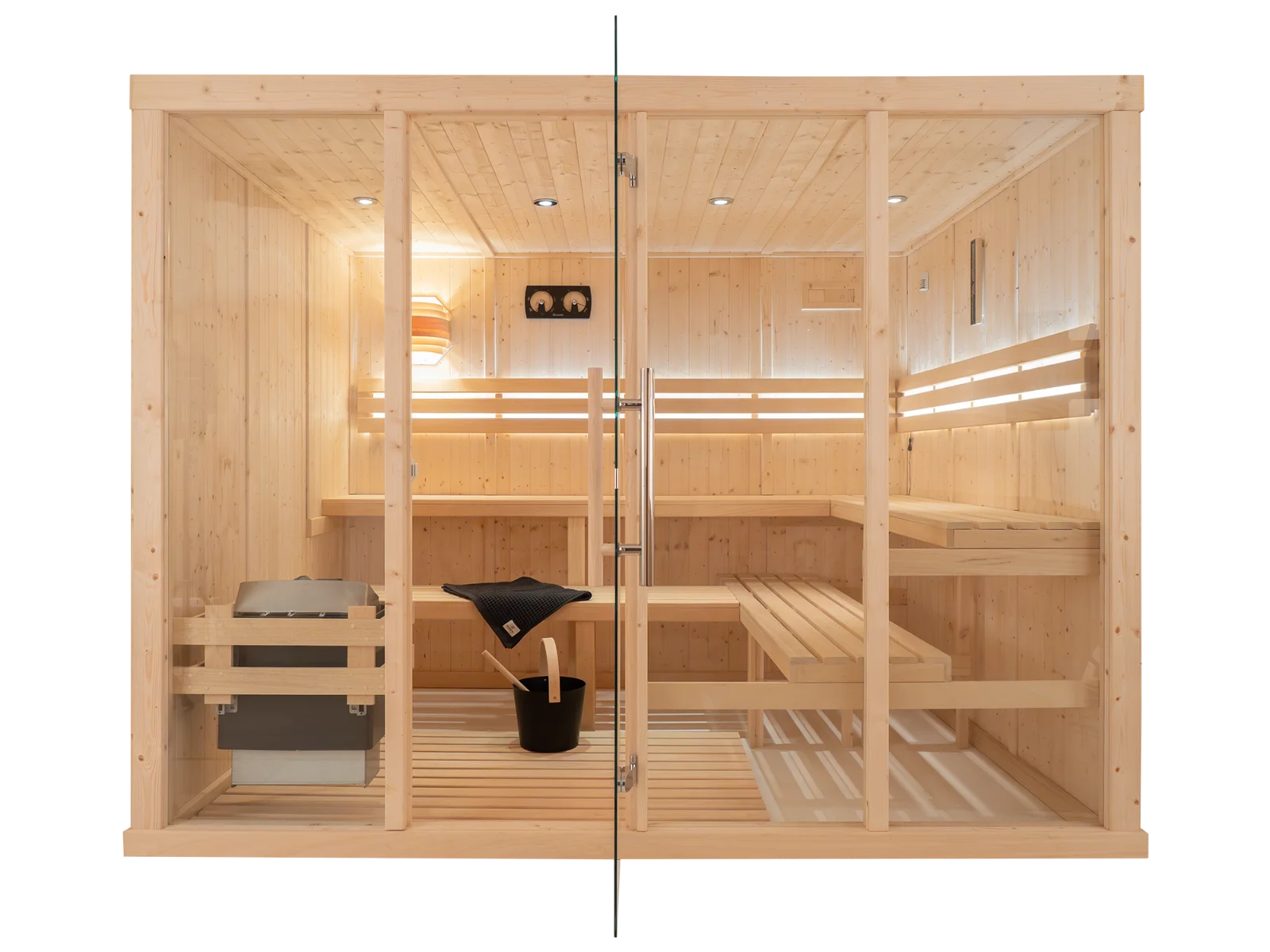 Commercial projectsHow to Budget for a Commercial Sauna ProjectLearn how to effectively budget for your commercial sauna installation. Vertex Climate provides professional guidance on project costs, planning, and design.5 min read
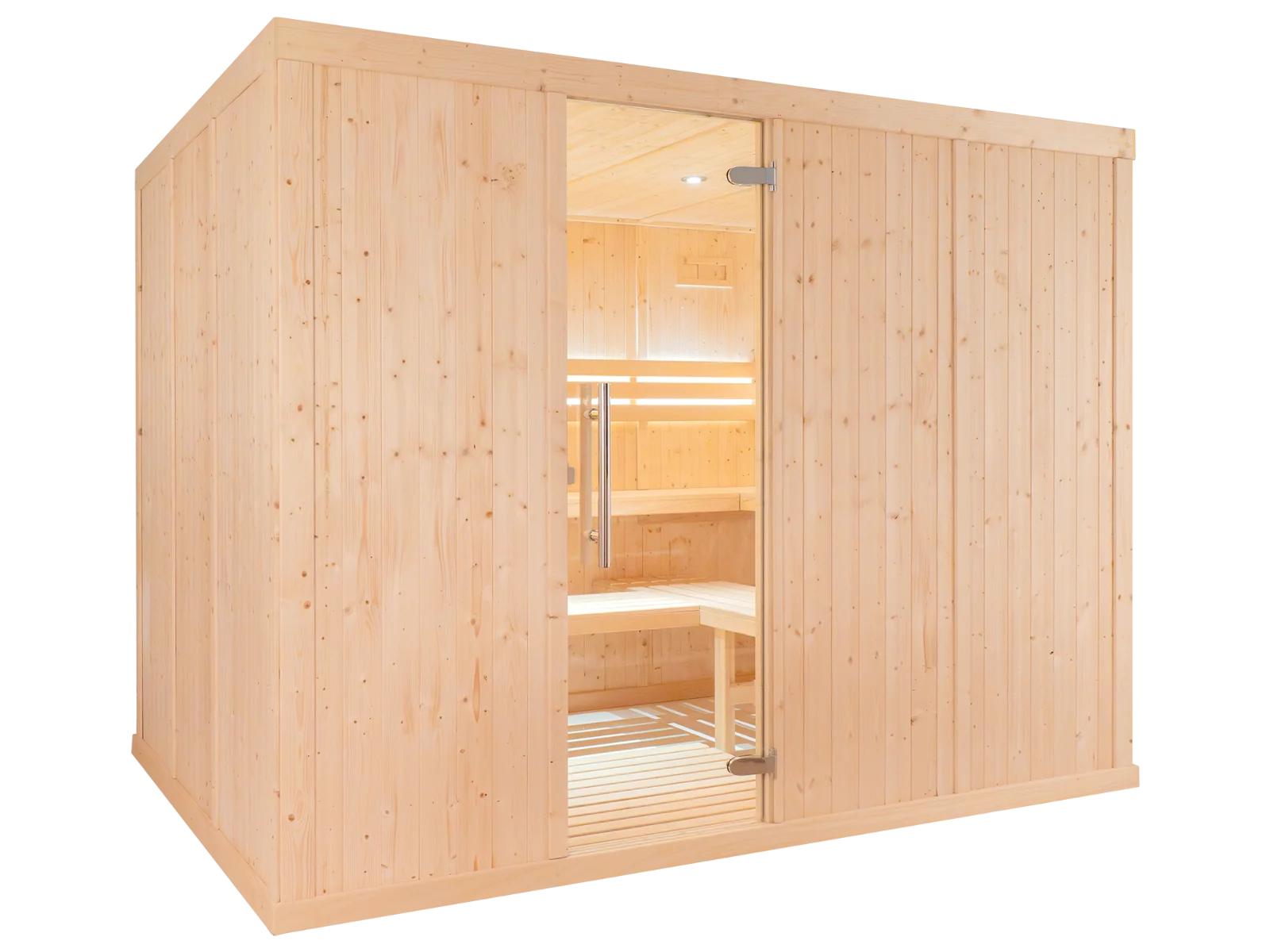 Commercial projectsHow to Compare Sauna Suppliers, Quotations and Equipment SpecificationsLearn how to effectively evaluate sauna suppliers, compare quotations, and review equipment specifications for your upcoming commercial or home sauna project.5 min read
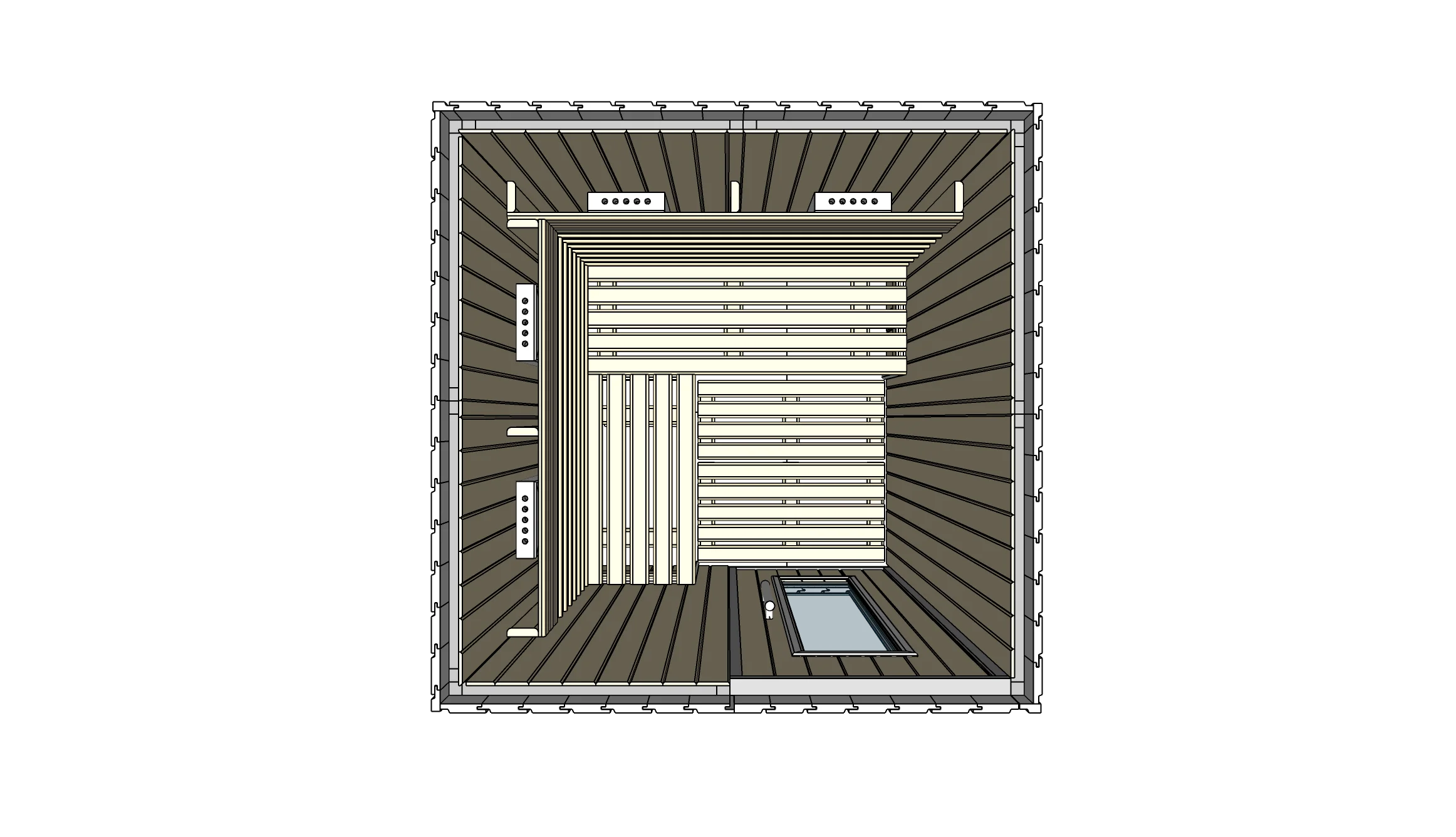 Commercial projectsSauna Installation for Architects and Contractors: A Project ChecklistA professional guide for architects and contractors planning a sauna project, covering essential site requirements, regulatory compliance, and system design.4 min read