Maintenance & repair
When Should You Replace Sauna Stones, Heaters or Other Components?
5 min read
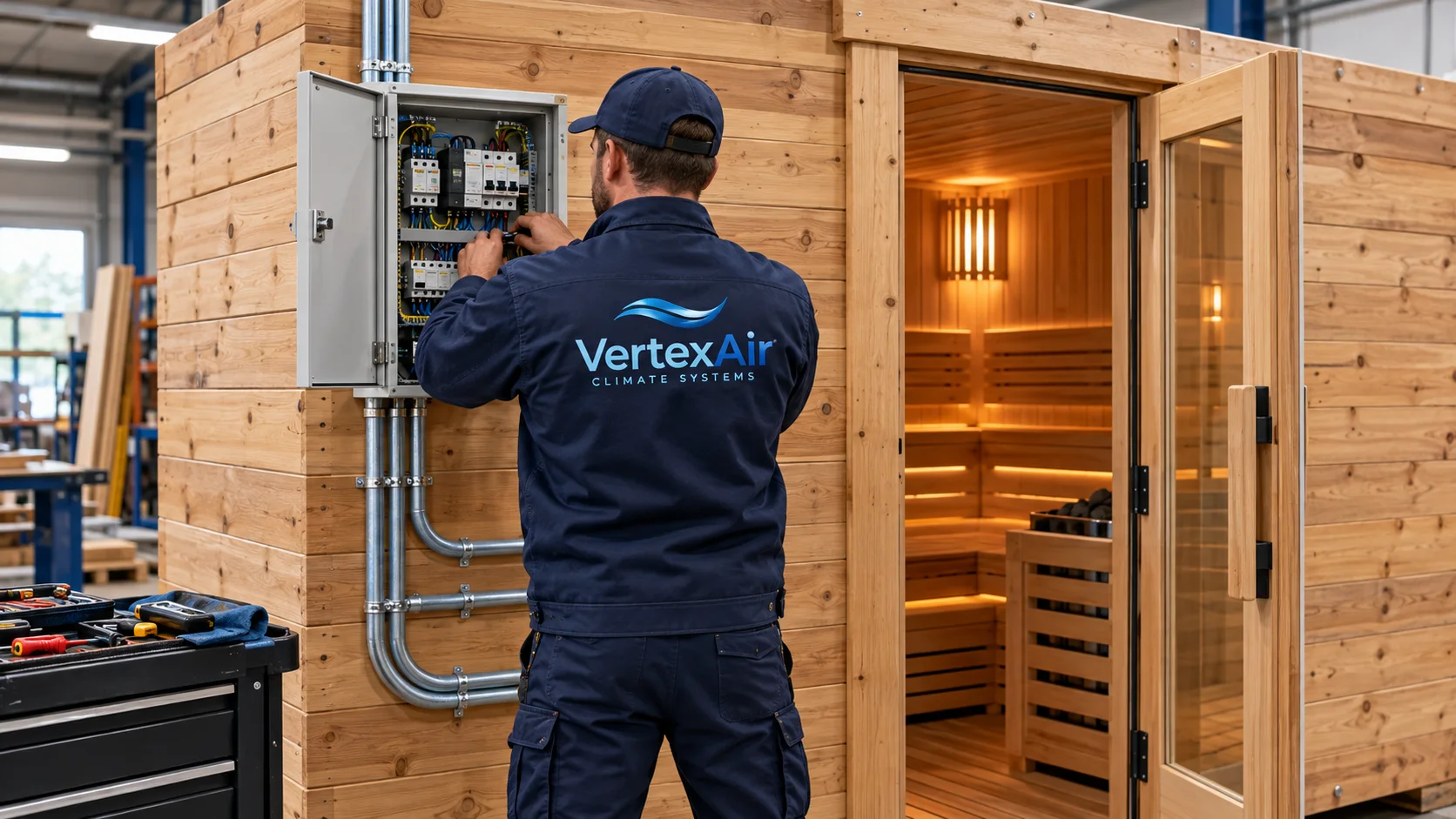
Maintaining a sauna requires vigilance regarding the condition of its core hardware. Understanding when to pursue sauna component replacement is essential for preserving the performance, safety, and longevity of your investment. Whether you utilise a high-performance Harvia heater in a residential setting or manage a commercial wellness space, equipment eventually reaches the end of its functional life. This guide outlines how to identify wear in vital systems, ensuring your sauna remains a reliable retreat while adhering to necessary safety and operational standards throughout its lifespan.
Recognising When Sauna Stones Require Replacement
Sauna stones are subjected to extreme thermal cycling, which gradually degrades their integrity. Over time, stones become brittle, crack, or crumble under the intense heat of the heater. When stones lose their structural density, they fail to store and radiate heat effectively, which significantly impacts the internal cabin temperature and the quality of steam produced.
Inspect stones during your routine maintenance sessions. If you notice excessive dust, small fragments, or signs of flaking, it is time to remove the load and replace them. Always ensure you are using genuine stones approved for your specific heater model to maintain proper airflow and prevent damage to the heating elements.
- Cracked or crumbling stones indicating material fatigue
- Accumulation of debris and dust within the heater housing
- Noticeable reduction in heat retention or steam efficiency
Identifying Operational Issues with Sauna Heaters
The sauna heater is the heart of your installation, requiring regular assessment. While robust, components such as heating elements can degrade or fail over extended periods. Symptoms of a struggling heater may include uneven heating, longer than normal warm-up times, or specific error codes appearing on the digital control interface. Never attempt to bypass safety sensors or perform internal electrical repairs yourself.
Should you observe burning smells, smoke, or evidence of damaged electrical components, you must immediately stop using the equipment. Isolate the heater from the power supply if it is safe to do so and contact our professional team. Repeatedly resetting tripped breakers or attempting to open live covers is strictly prohibited due to severe safety risks.
- Prolonged heat-up times beyond standard manufacturer benchmarks
- Irregular heating patterns or fluctuating internal temperatures
- Visible damage, discolouration of wiring, or burning odours
Assessing Control Systems and Sensors
Modern sauna controls and temperature sensors are precision instruments designed to manage the cabin environment safely. If the control panel becomes unresponsive, displays intermittent readings, or fails to accurately regulate the temperature, the underlying sensor or control unit may require replacement. These components are critical for preventing overheating and ensuring the system operates within its design parameters.
Always refer to the exact equipment manual provided by the manufacturer. If a sensor becomes damaged or displaced, it must be addressed immediately by a qualified electrician. Attempting to modify sensor placement or using incompatible replacements can compromise the entire safety interlock chain, putting users at significant risk during operation.
- Control panel displaying persistent error codes or failing to boot
- Inaccurate temperature readings compared to internal thermometers
- Damaged sensor wiring or exposed electronic contacts
Maintenance Schedules and Professional Servicing
Establishing a structured maintenance schedule is vital for identifying the need for component replacement before a failure occurs. While owners should perform daily tasks—such as wiping benches and ensuring the cabin is dry—specialist servicing should be carried out by qualified professionals. Commercial environments, in particular, require more frequent rigorous checks to ensure compliance and user safety.
Your specific maintenance interval will be dictated by usage intensity and manufacturer guidance. For commercial installations, a detailed risk assessment should define the frequency of inspections. Distinguishing between routine operator cleaning and deep technical servicing ensures that potential faults are identified early, thereby minimising downtime and extending the functional life of your sauna components.
- Daily: Remove loose debris and allow the cabin to ventilate
- Monthly: Check stone condition and ensure heater clearance
- Annual: Professional electrical system inspection and testing
Electrical Safety and Professional Compliance
Electrical integrity is non-negotiable in sauna environments. All installation and component replacement work must be carried out by fully qualified in-house electricians to maintain safety standards. In England, electrical work in dwellings must comply with Building Regulations, such as Part P, which highlights the necessity of professional oversight for the design, installation, and inspection of electrical circuits.
Never attempt DIY repairs or modifications to electrical systems. Improper wiring or the use of non-approved components creates significant hazards, including the risk of fire or electrical shock. When replacing heaters or controllers, ensure the new equipment is correctly specified for your room volume and site power capacity by a competent specialist.
- Strict adherence to professional installation standards
- Compliance with current electrical safety regulations
- Requirement for qualified personnel for all live component work
When to Choose Repair Over Full Replacement
Determining whether to repair a component or replace the entire system depends on the extent of the damage and the age of the equipment. Often, replacing a specific set of heating elements or a faulty sensor is sufficient to restore full functionality. However, if the heater housing is structurally compromised or if parts are no longer available for obsolete models, a full upgrade is the more logical and safer choice.
We evaluate each situation based on the specific condition of your installation. Our expertise allows us to provide clear guidance on whether a targeted repair will be cost-effective or if systemic replacement is required to meet modern efficiency and safety standards. Always consult with us before committing to a course of action.
- Cost-benefit analysis of part replacement versus total unit upgrade
- Availability of manufacturer-approved spare parts
- Assessment of the overall structural integrity of the heater
Ensuring Longevity Through Correct Usage
The longevity of your sauna is directly influenced by how the system is operated and maintained. Cleaning must only be performed on cool, isolated equipment using manufacturer-approved agents. Avoid the use of pressure washers, abrasive scrubbers, or unapproved oils, as these can permanently damage timber surfaces and electronic seals. Proper ventilation management is also crucial for preventing moisture-related damage to your components.
If you suspect a fault, stop using the sauna immediately and isolate the power supply. Do not attempt to force operation or bypass safety devices. By following these operational guidelines and engaging with Vertex Climate for periodic professional inspections, you ensure that your sauna remains a safe, comfortable, and efficient facility for years to come.
- Routine cleaning using only approved non-abrasive agents
- Ensuring adequate ventilation to manage humidity levels
- Immediate isolation if performance issues or hazards arise
Sources and further reading
Related articles
All articles Maintenance & repairHow to Maintain Sauna Wood and Prevent Premature WearMaintain your sauna wood to ensure lasting beauty and performance. Learn essential daily, monthly, and annual care tips from Vertex Climate specialists.4 min read
 Maintenance & repairCommercial Sauna Maintenance: A Guide for Hotels, Gyms and SpasMaintain peak performance in your commercial sauna with this guide for hotels, gyms, and spas, covering essential daily, monthly, and annual upkeep protocols.5 min read
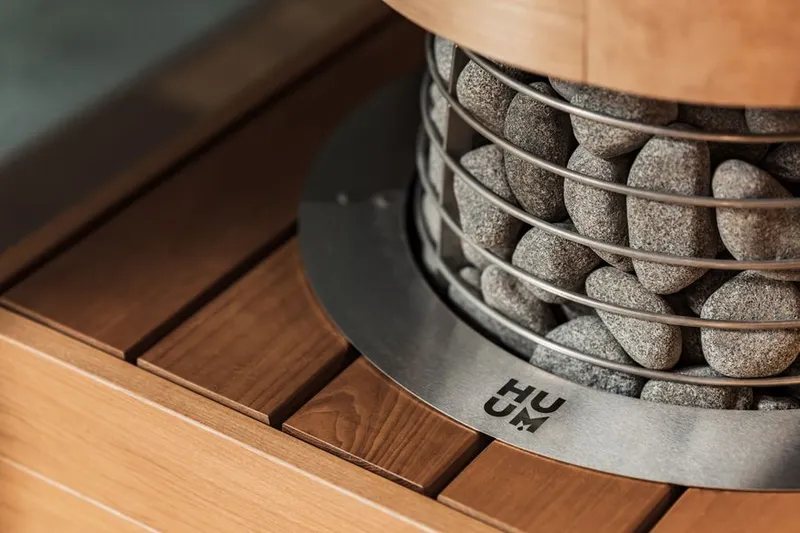 Maintenance & repairWhy Is Your Sauna Not Heating Up? Common Causes and SolutionsIs your sauna not heating up? Explore our troubleshooting guide to identify common causes like ventilation, electrical faults, and heater maintenance.4 min read