Maintenance & repair
How to Maintain Sauna Wood and Prevent Premature Wear
4 min read
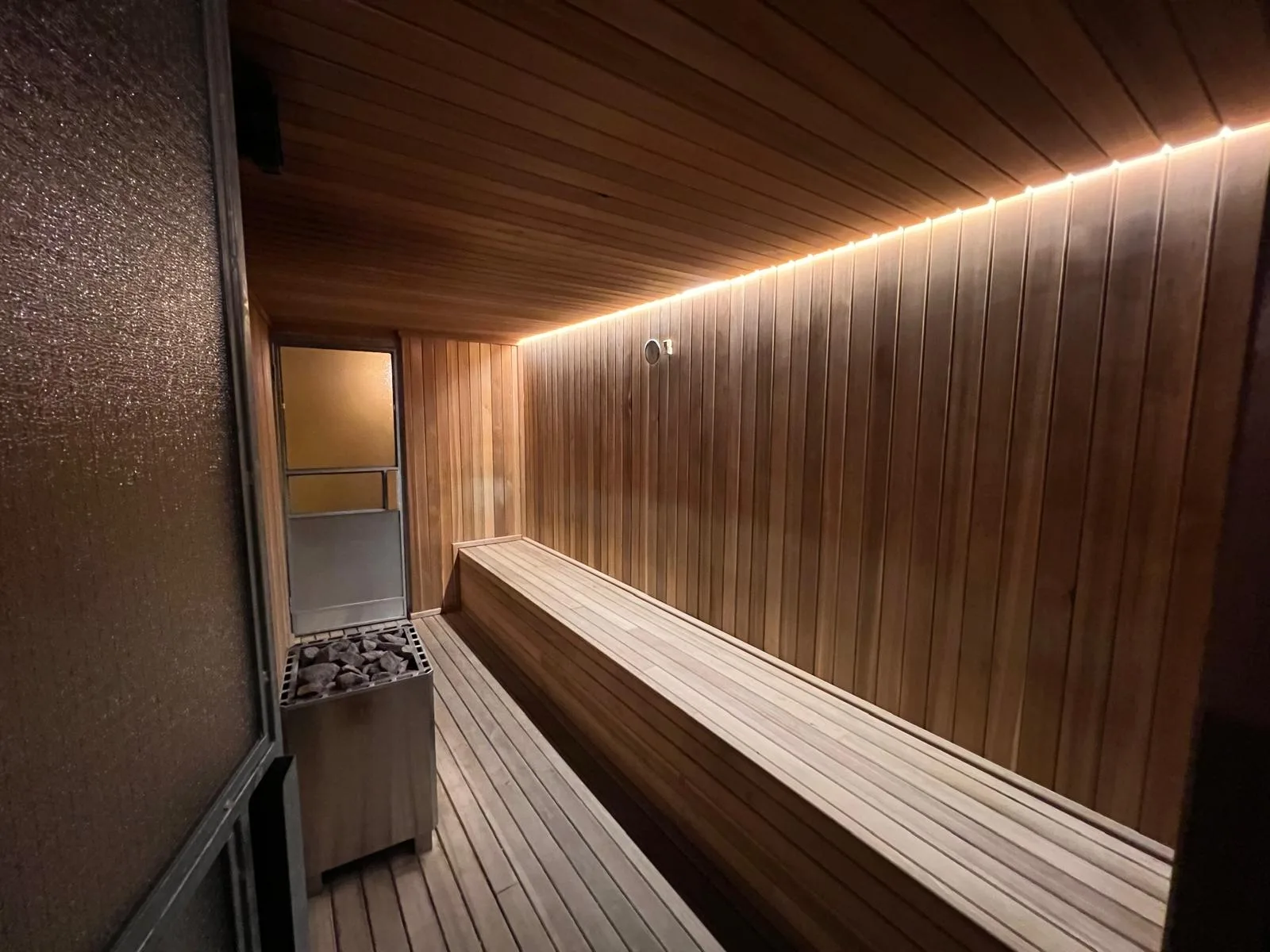
Preserving the aesthetic and structural integrity of your sauna is essential for a high-quality wellness experience. Sauna environments involve fluctuating humidity and heat, which naturally affect natural timbers over time. At Vertex Climate, we emphasise that proper care not only enhances the longevity of your cabin but also maintains a hygienic and relaxing atmosphere. This guide provides practical insights into how to maintain sauna wood correctly, ensuring your installation remains a pristine retreat while preventing the common pitfalls of improper cleaning or environmental neglect.
Daily Rituals for Sauna Wood Care
Consistent daily care is the most effective way to prevent the build-up of moisture and organic matter that can degrade timber. After each session, the most important action is allowing the cabin to dry out completely. We recommend keeping the door open or utilising built-in ventilation systems to expel residual steam and condensation from the room.
A light wipe-down of the benches with a damp, clean cloth can remove perspiration and surface debris. Avoid soaking the wood or using harsh scrubbing actions, as this can force moisture deeper into the timber grain. Consistency here prevents more significant challenges later.
- Ensure the heater is switched off safely.
- Leave the door ajar after the final use.
- Wipe bench surfaces with a soft, clean cloth.
Monthly Deep Cleaning and Inspection
Monthly maintenance requires a closer look at the internal environment. This is the time to perform a more thorough cleaning of benches, backrests, and floor grates using only manufacturer-approved agents. Always ensure that the heating equipment is completely cool and isolated from the electrical supply before beginning any cleaning task to ensure your personal safety.
Inspect the timber for signs of excessive discolouration or persistent moisture staining. While some natural aging is expected, unusual dark spots or soft areas in the timber should be assessed. Never use abrasive scrubbers or steel wool, as these damage the wood fibres and increase porosity.
- Use only approved cleaning solutions.
- Never use pressure washers on interior wood.
- Check bench supports for any loose fixings.
Managing Moisture and Ventilation
The primary enemy of sauna timber is trapped moisture. Your sauna’s ventilation design is critical for transporting steam away from the wood surfaces effectively. If the air circulation is inadequate, timber can swell, cup, or even foster mould growth in the hidden corners of the cabin, which is difficult to reverse once established.
Ensure your vents are clear of obstructions and functioning as per the original installation manual. Proper airflow, combined with the habit of drying the room after use, maintains the equilibrium of the wood. Should you notice persistent dampness, consult a specialist to review the ventilation efficiency.
- Keep air inlets and outlets unobstructed.
- Check the gap under the door for airflow.
- Monitor the cabin for signs of poor drying.
Annual Specialist Maintenance and Review
While routine operator cleaning is vital, an annual check-up by a qualified specialist is recommended to maintain optimal condition. Professional maintenance involves a detailed assessment of the timber structure, electrical components, and the heater itself. This ensures that any minor issues are addressed before they become costly repairs.
During these visits, a technician can evaluate whether the timber requires any specific attention. They can also ensure that all safety interlocks are functioning perfectly and that the electrical installation remains compliant with current standards. Professional servicing provides peace of mind for both residential and commercial sauna owners.
- Schedule a professional electrical safety test.
- Have the cabin structure inspected by a pro.
- Review heater performance and stone condition.
Safety Precautions and Electrical Awareness
Your safety is paramount. If you ever encounter the smell of smoke, burning, or notice that your electrical equipment is damaged or repeatedly tripping circuits, stop using the sauna immediately. Isolate the power at the consumer unit if it is safe to do so, and contact a qualified electrician to investigate the fault properly.
Never attempt to bypass safety devices or perform DIY electrical repairs on live components. Opening covers or resetting tripped breakers repeatedly can lead to serious hazards. Always rely on fully qualified personnel who understand the specific requirements of high-heat environments and current electrical regulations in your region.
- Stop use if burning smells are detected.
- Do not bypass safety interlocks or fuses.
- Always isolate power before any inspection.
Understanding Timber Characteristics
It is important to understand how different woods react to heat and humidity. All sauna-grade timbers will age and take on a unique patina over time, which is a natural part of their character. Avoid the urge to use generic oils or unapproved coatings, as these can trap heat or emit unpleasant fumes at operating temperatures.
Always consult the manufacturer’s guidance regarding specific treatments. Using non-approved sealants can void warranties and may alter the safety profile of the wood. Stick to simple, water-based or specialist sauna-safe products that are designed to protect the wood while allowing it to breathe in high-temperature cycles.
- Allow timber to age naturally without stains.
- Avoid unapproved oils or chemical sealants.
- Consult manuals for specific treatment advice.
Commercial Considerations for Operators
Commercial sauna operators must implement a rigorous maintenance schedule tailored to high-usage environments. A formal risk assessment should dictate the frequency of your cleaning and servicing tasks. Given the public nature of these facilities, documentation of your maintenance history is essential for both regulatory compliance and user safety.
Engage with your specialist provider to establish a proactive maintenance contract. This ensures that heavy-duty heaters and timber components are serviced to a professional standard, reducing unexpected downtime. Prioritising these maintenance routines protects your investment and ensures a consistently excellent experience for all sauna users throughout the year.
- Document all cleaning and service activities.
- Base intervals on formal risk assessments.
- Use professional maintenance contracts.
Sources and further reading
Related articles
All articles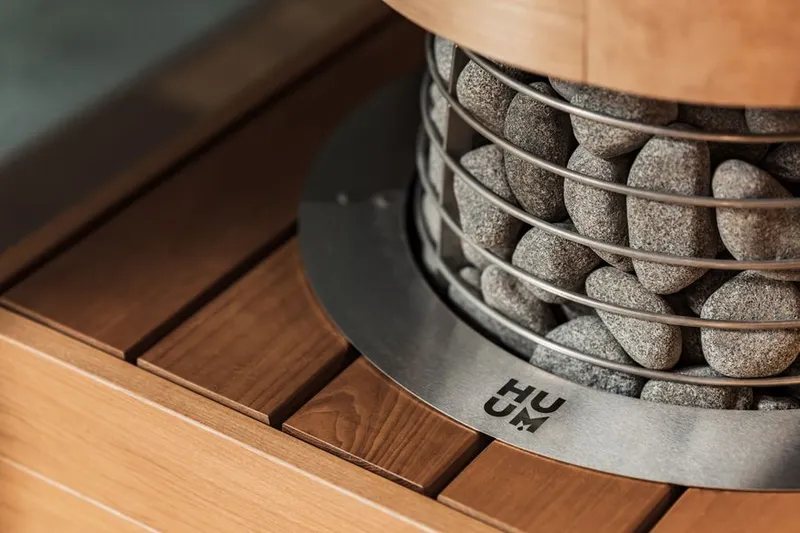 Maintenance & repairWhy Is Your Sauna Not Heating Up? Common Causes and SolutionsIs your sauna not heating up? Explore our troubleshooting guide to identify common causes like ventilation, electrical faults, and heater maintenance.4 min read
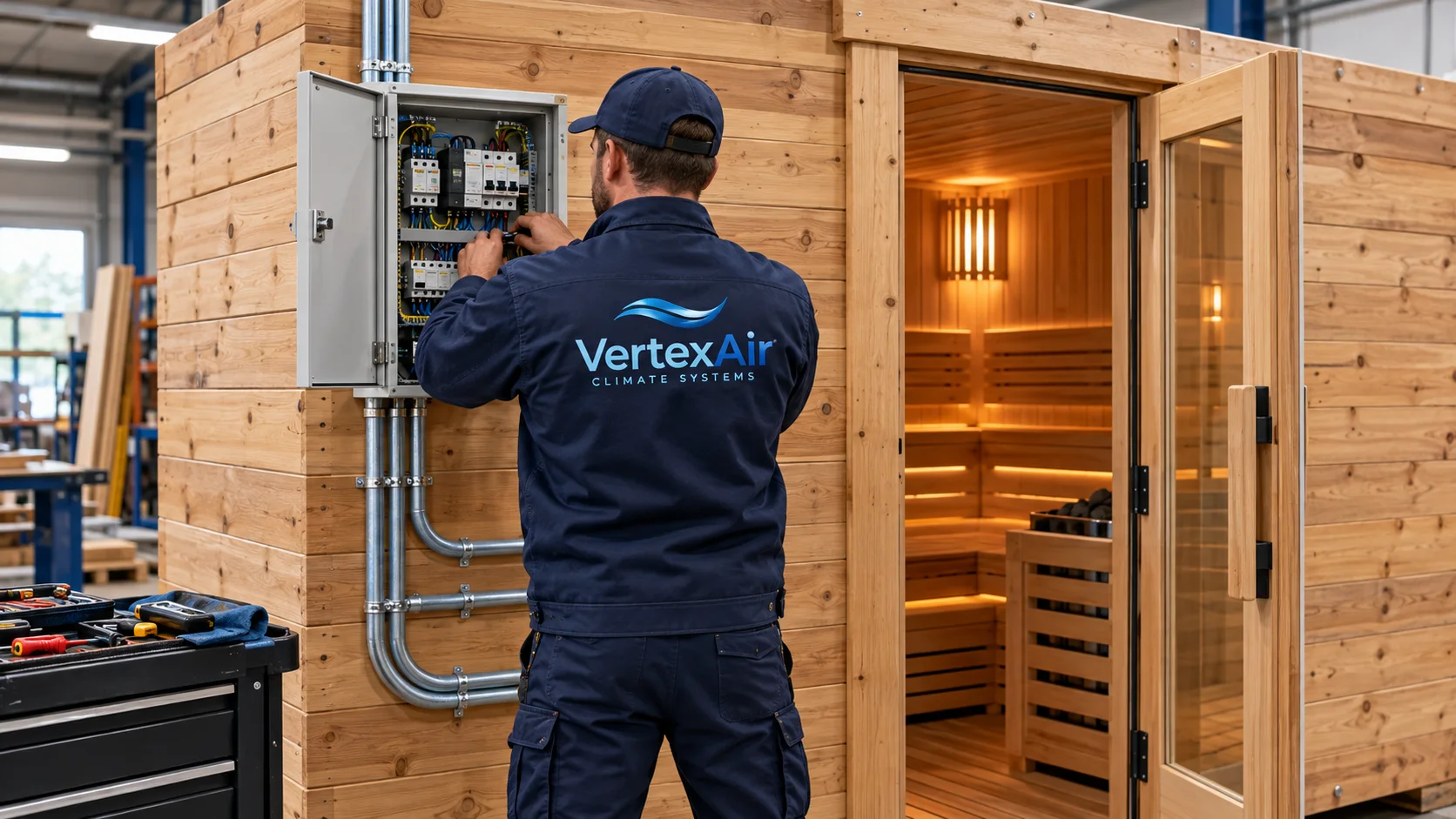 Maintenance & repairWhen Should You Replace Sauna Stones, Heaters or Other Components?Learn when to replace sauna stones, heaters, and essential components to maintain safety and efficiency in your traditional or infrared sauna installation.5 min read
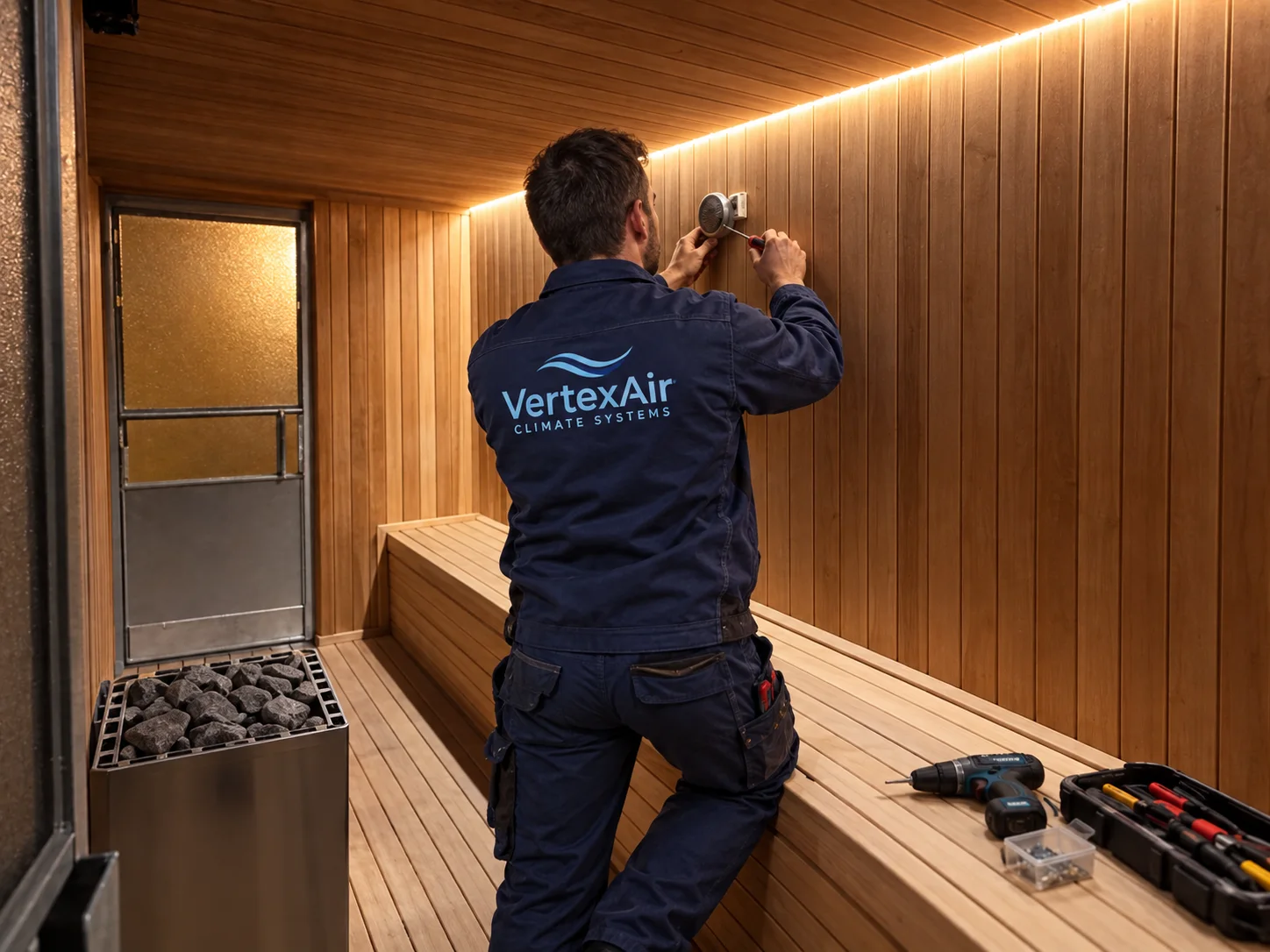 Maintenance & repairSauna Maintenance Checklist: Daily, Monthly and Annual TasksKeep your sauna in peak condition with our expert maintenance guide. Follow our daily, monthly, and annual checklist for safe, reliable, and hygienic operation.5 min read