Equipment & supply
How to Choose a Reliable Sauna Equipment Supplier
4 min read
Selecting a reliable sauna equipment supplier is a critical decision that influences the safety, performance, and longevity of your investment. Whether you are planning a residential retreat or a commercial project, the quality of your components determines your experience. This guide helps you navigate the criteria for professional selection, ensuring your project meets industry standards while delivering the relaxation and reliability expected from a bespoke sauna installation.
Evaluating Supplier Expertise
A reputable supplier provides technical insight that shapes your design. Look for partners who demonstrate a deep understanding of sauna environments, including thermal dynamics and moisture management. Experienced suppliers foresee installation hurdles, such as ventilation requirements, before construction begins.
Assess their track record with both traditional and infrared systems. A professional supplier must verify their supply chain and ensure all equipment complies with UK safety requirements. Partnering with a specialist ensures guidance is grounded in practical field experience rather than theory.
- Check for long-standing industry presence and expertise.
- Request evidence of experience with bespoke sauna design.
- Inquire about support during planning and post-supply stages.
Quality Standards and Equipment
Sauna performance is linked to the quality of heater and control systems. Suppliers stocking industry-leading brands like Harvia heaters offer assurance of reliability and parts availability. These components withstand rigorous temperature cycles, reducing the risk of premature failure or operational issues.
Consider the breadth of inventory. A versatile supplier provides everything from high-grade timber to precision sensors. Consistency in quality across all components is essential for a seamless finish and simplifies the procurement process significantly for contractors.
- Verify if the supplier provides high-performance equipment.
- Ensure heater specifications align with room size.
- Confirm that control systems offer necessary safety features.
Technical Knowledge and Support
Technical proficiency is vital. A reliable partner interprets site requirements, such as ventilation layouts or electrical supply limitations. They must be familiar with the precise placement of temperature sensors and airflow inlets, as specified in manufacturer manuals, to ensure system safety.
Ask how they handle technical queries during installation. Whether clarifying clearance distances or explaining ventilation, having direct access to knowledgeable support prevents costly mistakes. Professional suppliers act as an extension of your project team, providing troubleshooting for on-site challenges.
- Assess their guidance on ventilation and air changes.
- Confirm knowledge of sensor installation requirements.
- Evaluate willingness to assist with site-specific queries.
Compliance and Safety Standards
Sauna installations involve electrical and thermal risks that must be managed. A trustworthy supplier highlights the importance of adhering to relevant building regulations, such as Part P in England. They never encourage shortcuts that compromise safety interlocks or protective systems.
Ensure they provide clear documentation for all equipment, including installation instructions, maintenance schedules, and safety warnings. A commitment to safety should be evident in their product advice, ensuring you are never encouraged to bypass safety devices or perform improper DIY electrical work.
- Prioritise adherence to UK building safety regulations.
- Ensure full documentation for all heating equipment.
- Avoid suppliers who suggest bypassing safety controls.
Tailoring for Commercial Projects
Commercial saunas operate under different pressures than residential cabins. High-traffic environments require heavy-duty equipment capable of sustained daily use. A supplier experienced in commercial projects recommends hardware specifically engineered for high usage, ensuring downtime is minimised and maintenance intervals are manageable.
Collaborating with an experienced supplier for commercial builds means understanding the risk assessment process. They assist in selecting equipment that is robust and easy for your team to maintain. Their expertise helps ensure the installation meets public safety and operational demands.
- Confirm hardware is rated for heavy-duty environments.
- Inquire about support for commercial maintenance.
- Assess capability to manage large-scale procurement.
Logistics, Delivery and Aftercare
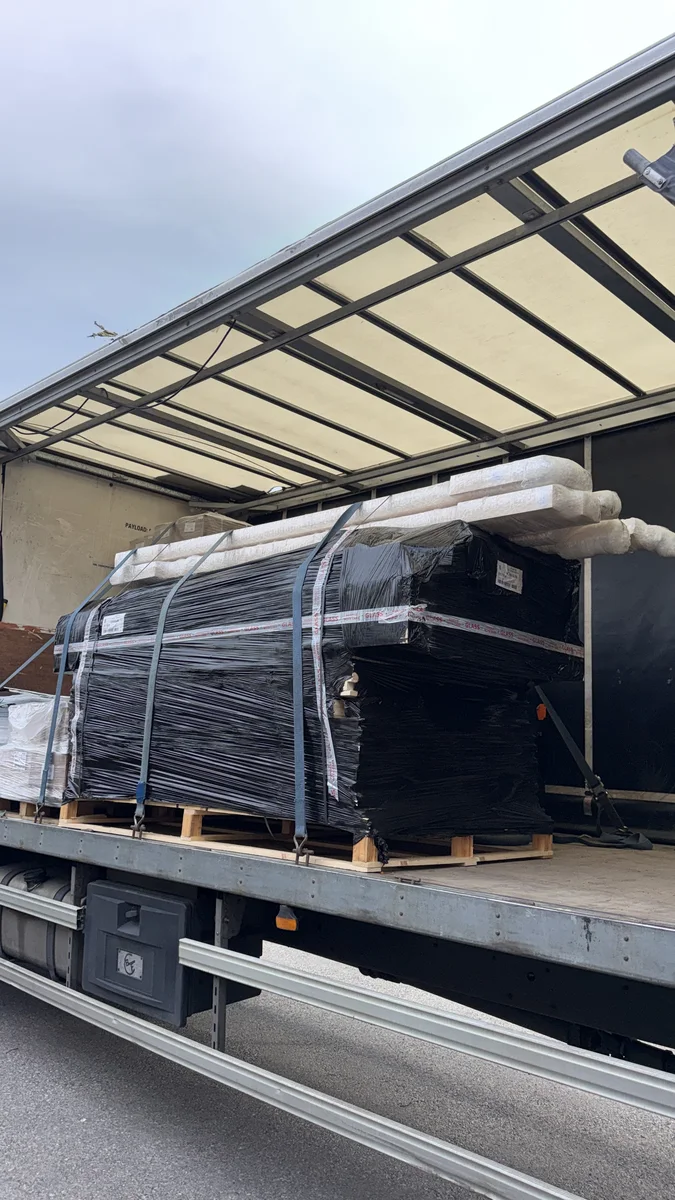
Supplier reliability is tested during delivery and aftercare. Professional logistics management ensures fragile items like glass panels or sensors arrive intact. Unexpected delays can derail your timeline, so look for a partner with a proven record of safe transit processes.
Consider their post-purchase support. Whether you need a replacement stone or advice on a maintenance schedule, a dedicated supplier remains responsive. Distinguishing between operator cleaning and specialist servicing is key; a good supplier guides you on day-to-day care while identifying when professional intervention is required.
- Check for transparent lead times and delivery procedures.
- Assess their process for resolving equipment issues.
- Inquire about availability for ongoing support.
Making the Final Selection
Choosing your supplier is a foundational step. By focusing on technical expertise, quality assurance, and a shared commitment to safety, you build a partnership that adds value to your installation. VertexAir Climate Systems operates with these principles at our core, ensuring every component we supply supports a professional build.
Take time to verify these attributes before committing. An informed decision now prevents significant complications later, allowing you to enjoy your sauna with peace of mind. Investing in a reliable supplier is an investment in the long-term enjoyment and safety of your environment.
- Balance budget with long-term equipment reliability.
- Use this checklist to interview potential suppliers.
- Prioritise companies that offer professional guidance.
Sources and further reading
Related articles
All articles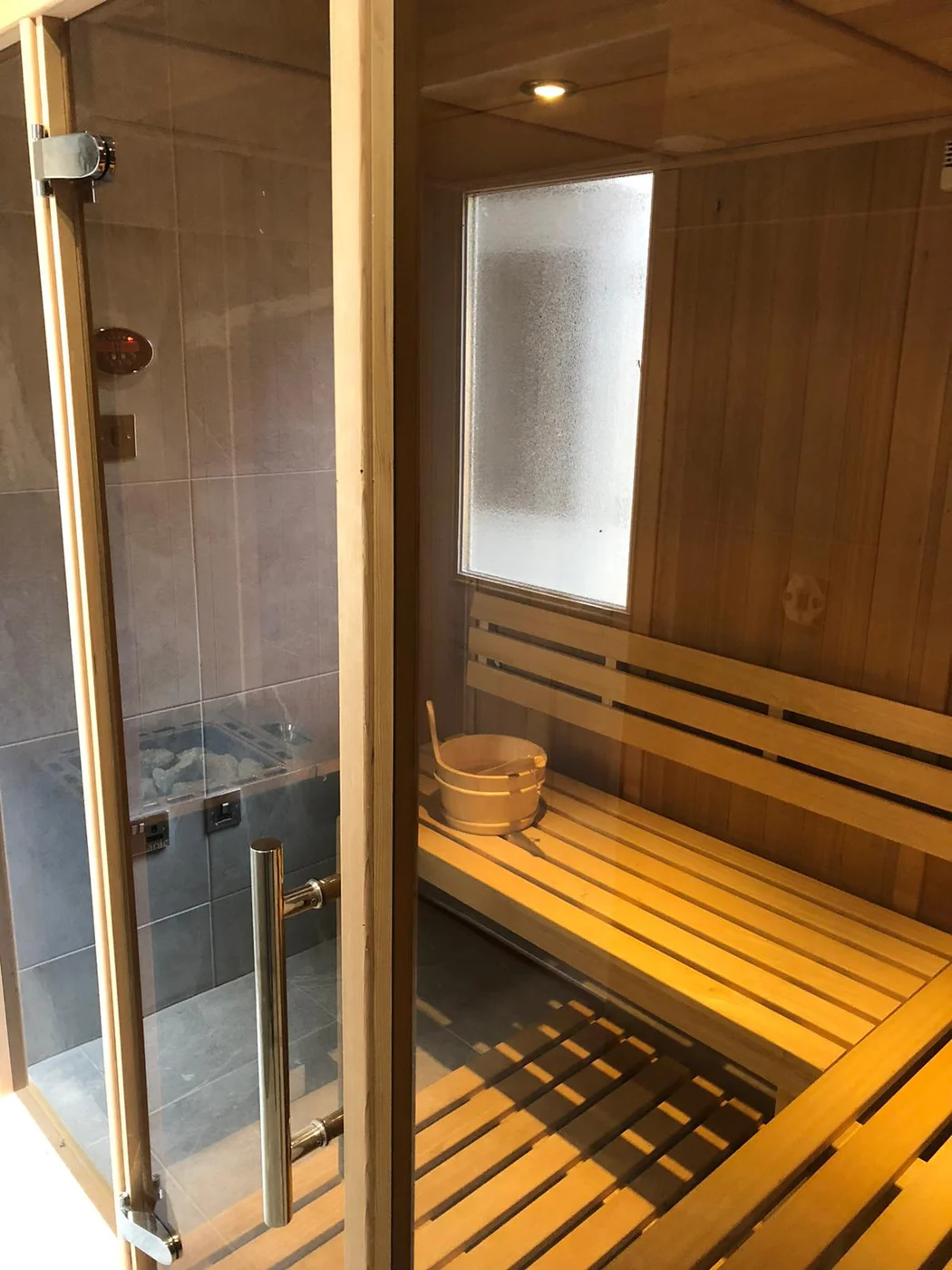 Equipment & supplyEssential Sauna Accessories Every Installation Should IncludeEnhance your sauna with essential accessories. From ventilation to control systems, learn how to optimise safety and performance in your custom sauna build.4 min read
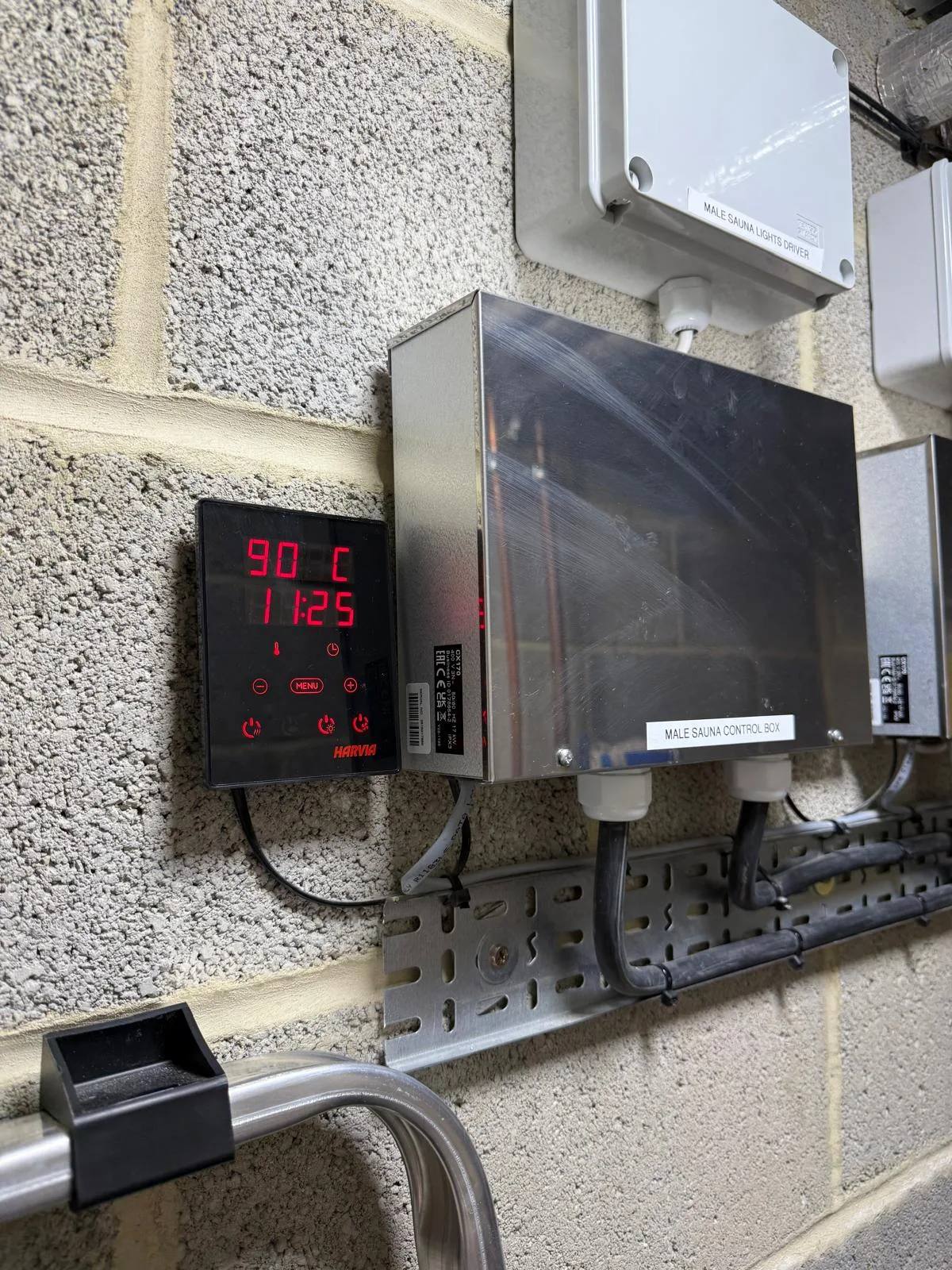 Equipment & supplySauna Controls, Sensors and Smart Features ExplainedDiscover how sauna controls, temperature sensors, and smart features enhance your experience. Expert advice from VertexAir Climate Systems for UK saunas.5 min read
 Equipment & supplyA Complete Guide to Sauna Stones: Selection, Placement and ReplacementDiscover how to choose, place, and replace your sauna stones for optimal performance and safety. Expert guidance for a superior traditional sauna experience.5 min read