Equipment & supply
A Complete Guide to Sauna Stones: Selection, Placement and Replacement
5 min read
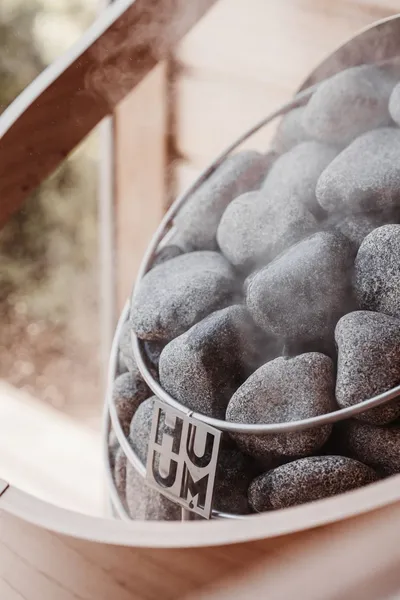
The performance of your traditional sauna relies heavily on the quality and arrangement of your sauna stones. These elements are essential for heat retention and steam generation, working in harmony with Harvia heaters to create the perfect environment. Selecting the correct type of stone is vital, as is following proper placement techniques to ensure efficient airflow. At VertexAir Climate Systems, we prioritise precision in every sauna installation, helping you maintain a consistent and enjoyable bathing experience through expert advice and professional service.
Selecting the Right Sauna Stones
Not all rocks are suitable for use inside a sauna heater. It is critical to use stones specifically designed for the purpose, which are typically dense, heat-retaining igneous rock. These materials can withstand extreme temperature fluctuations without cracking, crumbling, or releasing hazardous particles. Never use decorative garden stones or found materials, as they may explode when heated due to trapped moisture or mineral impurities.
Choosing high-quality, manufacturer-approved stones ensures your heater functions correctly. Proper stones provide even heat distribution and durability, essential for long-term reliability. We always recommend consulting the specific equipment manual provided with your heater to ensure the chosen stones meet the required safety and performance specifications for your system.
- Use only high-density, heat-resistant igneous stones.
- Avoid using unapproved materials that may shatter or produce dust.
- Ensure stones are appropriately sized for the specific heater model.
Correct Stone Placement Techniques
Proper placement is the secret to a long-lasting heating element and effective heat distribution. When arranging stones, focus on creating gaps that allow air to circulate freely around the heating elements. If stones are packed too tightly, airflow is restricted, which causes the heater to cycle incorrectly and may lead to premature component failure or safety device tripping.
Place larger stones at the base of the heater, ensuring they support the weight without pressing directly against the fragile heating elements. Build up layers with smaller stones near the top, ensuring full coverage to prevent direct radiation from the elements. This arrangement protects the heater core while facilitating optimal steam production when water is carefully applied.
- Allow for adequate airflow between stones to prevent overheating.
- Ensure no stone puts excessive pressure on the heating elements.
- Keep the heating elements fully covered for optimal heat retention.
Essential Maintenance and Inspection
Regular maintenance is key to a safe sauna. Over time, sauna stones can degrade, becoming brittle or fragmented. Daily visual checks should involve looking for signs of cracking or dust accumulation within the heater casing. If you notice fragmentation, it is essential to remove these pieces promptly to maintain proper ventilation and prevent damage to the heater's interior structure.
As a rule of thumb, examine the stone bed monthly, especially in commercial environments where usage is frequent. When stones show visible signs of wear or begin to crumble, they must be replaced. Always allow the heater to cool completely and isolate the power supply before attempting to handle any stones or cleaning the heater casing.
- Check stones daily for signs of cracking or disintegration.
- Isolate power before touching the heater or stones.
- Clean out stone fragments and dust on a regular basis.
When to Replace Your Stones
Even with diligent care, stones have a finite lifespan. In a residential setting, you might only need to refresh them annually, but high-traffic commercial saunas often require more frequent attention. The heat cycles eventually cause the stones to lose their structural integrity, which reduces their ability to hold heat and generate the steam you expect from a high-quality traditional sauna installation.
If your sauna takes significantly longer to reach the desired temperature or the steam production feels inadequate, it may be time to replace your stones entirely. Removing old stones also provides an excellent opportunity to deep clean the heater and inspect the heating elements for any signs of corrosion or structural damage that may require professional attention.
- Replace stones if they become crumbly, dusty, or ineffective.
- Consider usage frequency when determining your replacement cycle.
- Use replacement as an opportunity to inspect heating elements.
The Importance of Airflow
Sauna ventilation is intrinsically linked to how your heater operates. If stones are correctly placed, they allow air to flow through the heater, which is essential for uniform cabin heating. Poorly configured stones can lead to pockets of cold air or intense heat spikes, which may interfere with temperature sensors. Always follow the manufacturer's ventilation guidance to maintain the ideal climate.
If you suspect that your stone arrangement is impacting heater performance, verify that your ventilation setup complies with local requirements. For homes in England, ensure your design adheres to relevant building regulations and safety standards. If you are uncertain about your layout or heater performance, consult a specialist to review your setup and ensure all safety interlocks are functioning correctly.
- Ensure air can circulate freely through the stone bed.
- Maintain distance between the heater and temperature sensors.
- Check that ventilation matches the manufacturer’s specified design.
Safety First: Handling and Electrical Care
Safety is paramount when working with electrical heating equipment. Never attempt to bypass safety devices or perform your own electrical wiring. If you encounter tripping, burning smells, or damaged equipment, stop using the sauna immediately and isolate the power supply if it is safe to do so. Contact a qualified professional to assess the situation before attempting any further use.
Cleaning should only ever be performed when the unit is cool and isolated. Avoid using chemicals, abrasive brushes, or high-pressure water, as these can damage the heater surface and stones. Stick to manufacturer-approved cleaning methods to ensure the longevity of your sauna equipment and the safety of all users, particularly in public or commercial facilities.
- Stop using the sauna if you detect smoke or burning smells.
- Never attempt to bypass or reset safety devices repeatedly.
- Clean only cool, isolated equipment with approved agents.
Professional Support for Your Sauna
Whether you are planning a new traditional sauna or looking to maintain an existing installation, professional guidance ensures your project meets the highest standards. VertexAir Climate Systems provides expert advice on design, supply, and installation across the UK. Our team is fully qualified to handle all electrical and technical requirements, ensuring your sauna is safe, reliable, and perfectly suited to your specific needs.
From selecting the right Harvia equipment to conducting comprehensive maintenance, we offer full support for your investment. Don't leave your comfort to chance; ensure your sauna operates at its peak with our professional services. We are here to assist with your sauna journey, providing the technical expertise needed for a long-lasting, luxury wellness space in your home or commercial property.
- Professional installation by fully qualified in-house electricians.
- Expert advice on heater selection and maintenance schedules.
- Reliable support for residential and commercial sauna projects.
Sources and further reading
Related articles
All articles Equipment & supplyElectric vs Wood-Burning Sauna Heaters: Which Is Best?Comparing electric vs wood-burning sauna heaters for your UK installation. Understand power requirements, installation needs, and operational differences.4 min read
 Equipment & supplyEssential Sauna Accessories Every Installation Should IncludeEnhance your sauna with essential accessories. From ventilation to control systems, learn how to optimise safety and performance in your custom sauna build.4 min read
 Equipment & supplyHow to Choose the Right Sauna Heater for Your ProjectLearn how to select the ideal sauna heater for your project. Our guide covers capacity, electrical safety, professional installation, and maintenance standards.4 min read