Design & installation
Sauna Insulation and Moisture Protection: What Installers Need to Know
5 min read
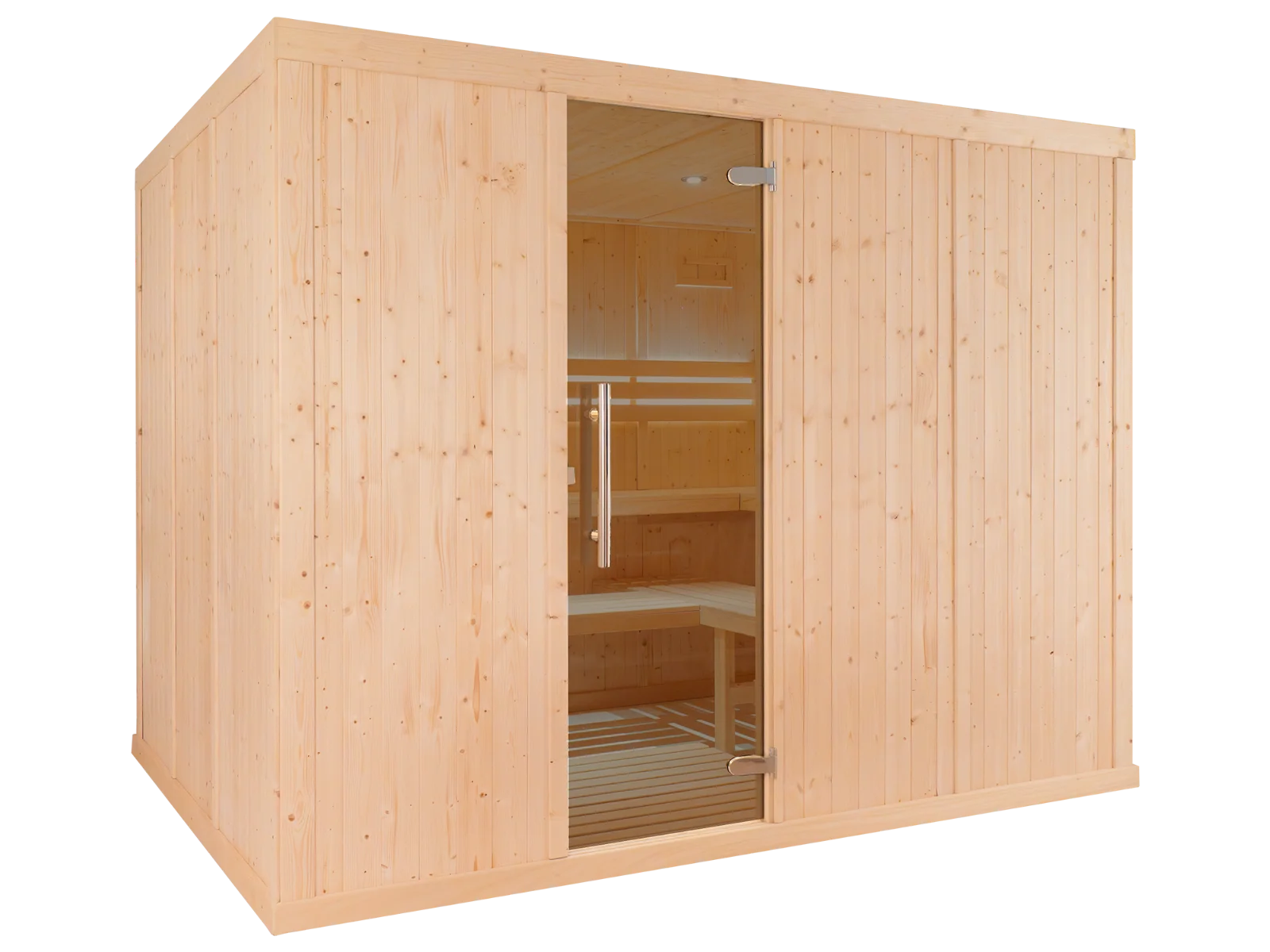
Achieving the perfect sauna experience relies as much on what happens behind the timber cladding as it does on the heater itself. Effective sauna insulation and moisture protection are critical components of any high-quality build, ensuring that your sauna reaches temperature efficiently while preventing long-term structural damage. As professional installers at VertexAir Climate Systems, we have observed that overlooking these invisible layers is the most common cause of heat loss and premature timber degradation in UK saunas.
The Vital Role of Thermal Insulation
Thermal insulation is the backbone of a sauna's performance. By creating a thermal envelope, you keep the generated heat within the cabin, allowing for a consistent environment while reducing the load on your heater. Proper insulation ensures that the exterior of your sauna remains cool, protecting adjacent room structures and finishes from excessive heat exposure. Without this layer, your cabin will struggle to reach high temperatures and consume far more energy than necessary.
In our installations, we use high-grade mineral wool specifically suited for high-temperature environments. It is crucial that the material selected is designed for the high heat cycles inherent in sauna use to prevent off-gassing or settling over time. When combined with our professional installation, these materials provide a robust barrier that maximises your sauna's efficiency and comfort.
- Reduces heat-up times for a more efficient experience.
- Protects external walls and surrounding building materials from damage.
- Maintains consistent internal temperatures for an authentic, stable heat.
- Supports long-term energy efficiency of the heater unit.
Implementing Effective Moisture Protection
Moisture is the natural enemy of any interior structure, and in the high-humidity environment of a traditional sauna, it requires careful management. A properly installed vapour barrier is essential to prevent steam from penetrating the wall structure. If moisture reaches the wooden framing or insulation, it can lead to mould growth, structural rot, and compromised integrity over time.
We ensure a continuous, airtight vapour barrier is installed correctly across the entire sauna interior. This membrane stops humidity from migrating into the wall cavities. The meticulous sealing of joints and penetrations is the difference between a sauna that lasts for decades and one that requires structural repairs within a few years.
- Prevents damp from affecting wall studs and external masonry.
- Crucial for maintaining a healthy and hygienic cabin environment.
- Reduces the risk of structural decay in the building envelope.
- Ensures long-term timber stability and finish quality.
The Importance of Airspace and Ventilation
Insulation and moisture protection must work in harmony with proper air circulation. A ventilated gap, often referred to as a counter-batten space, between the foil-faced vapour barrier and the interior cladding is standard practice in professional sauna construction. This small gap allows the wood to breathe and prevents trapped condensation from pooling against the foil.
Properly planned airflow, as discussed in [157], works alongside your insulation strategy. By facilitating movement behind the panels, you allow any incidental moisture to dry out effectively. This balance between insulation, vapour control, and ventilation is what separates a professional, long-lasting installation from a substandard project.
- Creates a drying path for incidental moisture accumulation.
- Prevents direct contact between cladding and the vapour barrier.
- Supports the natural expansion and contraction of the interior timber.
- Enhances the overall longevity of your sauna's interior finish.
Selecting Materials for Longevity
When sourcing materials for a custom build, the quality of your insulation and barrier products is paramount. We focus on utilizing components that are tested for high-temperature durability, such as specialized foil-faced boards that serve a dual purpose as both insulation and a radiant barrier. These materials are specifically designed to reflect heat back into the sauna, further improving your thermal efficiency.
At VertexAir Climate Systems, we advise against using general-purpose household insulation, which may not be rated for the extreme temperatures found in a sauna environment. Investing in specialized, heat-stable materials is a necessary cost to ensure safety and performance, protecting your investment for many years of reliable operation.
- Use only high-temperature-rated mineral wool or boards.
- Prioritize foil-faced barriers for combined thermal reflection.
- Ensure all materials meet relevant safety standards for heated rooms.
- Avoid generic products that may off-gas or degrade under intense heat.
Professional Installation Standards
The effectiveness of your sauna's insulation relies entirely on the precision of its installation. Even the best materials will fail if there are gaps, tears in the vapour barrier, or if the insulation is compressed during fitting. Our in-house, fully qualified electricians and installation specialists understand the complexities of building a sealed thermal envelope, ensuring that electrical runs for lighting and heaters are also managed without compromising the vapour barrier.
If you are planning a sauna for your home or business, engaging with experts who specialize in this unique construction niche is vital. Our team manages every aspect of your project, from the initial room planning and equipment selection to the precise installation of the insulation layers, giving you peace of mind throughout the entire process.
- Ensures perfectly sealed seams to block all moisture ingress.
- Maintains structural integrity through careful, methodical installation.
- Expert management of electrical penetrations for maximum safety.
- Delivers consistent thermal performance across the entire cabin.
Understanding Regulatory and Safety Context
Compliance with local building regulations is an essential part of any installation in the UK. While guidance regarding electrical safety is outlined in documents such as the Approved Document P [161], other planning requirements for outbuildings [166] may also apply depending on your location and specific project scope. It is important to treat these regulations as a baseline for a safe and legal project.
If you are adding a sauna to your property, we always recommend verifying your specific site requirements with your local authority. By managing your project with a qualified team, you ensure that all insulation and electrical works are conducted to standard, providing you with a high-quality finished sauna that is fully compliant with all local requirements and safety expectations.
- Adherence to relevant UK electrical and building safety standards.
- Consultation with local authorities regarding permitted development.
- Ensuring professional oversight for all structural and electrical work.
- Focus on safety and durability for long-term peace of mind.
Expert Support for Your Project
Building a sauna is a complex task that benefits significantly from professional expertise. Whether you are designing a compact home sauna or a large commercial facility, the technical details of insulation and moisture protection determine the longevity and enjoyment of your project. At VertexAir Climate Systems, we bring years of experience to ensure your sauna is built correctly, efficiently, and to the highest standards.
If you are ready to start planning your bespoke sauna project, our team is here to guide you through every decision, from timber selection to heater placement. Don't leave your sauna's performance to chance; entrust your installation to the specialists who understand the mechanics of heat and moisture control.
- Professional design guidance for all project sizes.
- Comprehensive, high-quality installation by qualified experts.
- Seamless integration of heaters and advanced control systems.
- Expert support from start to finish for complete client satisfaction.
Sources and further reading
Related articles
All articles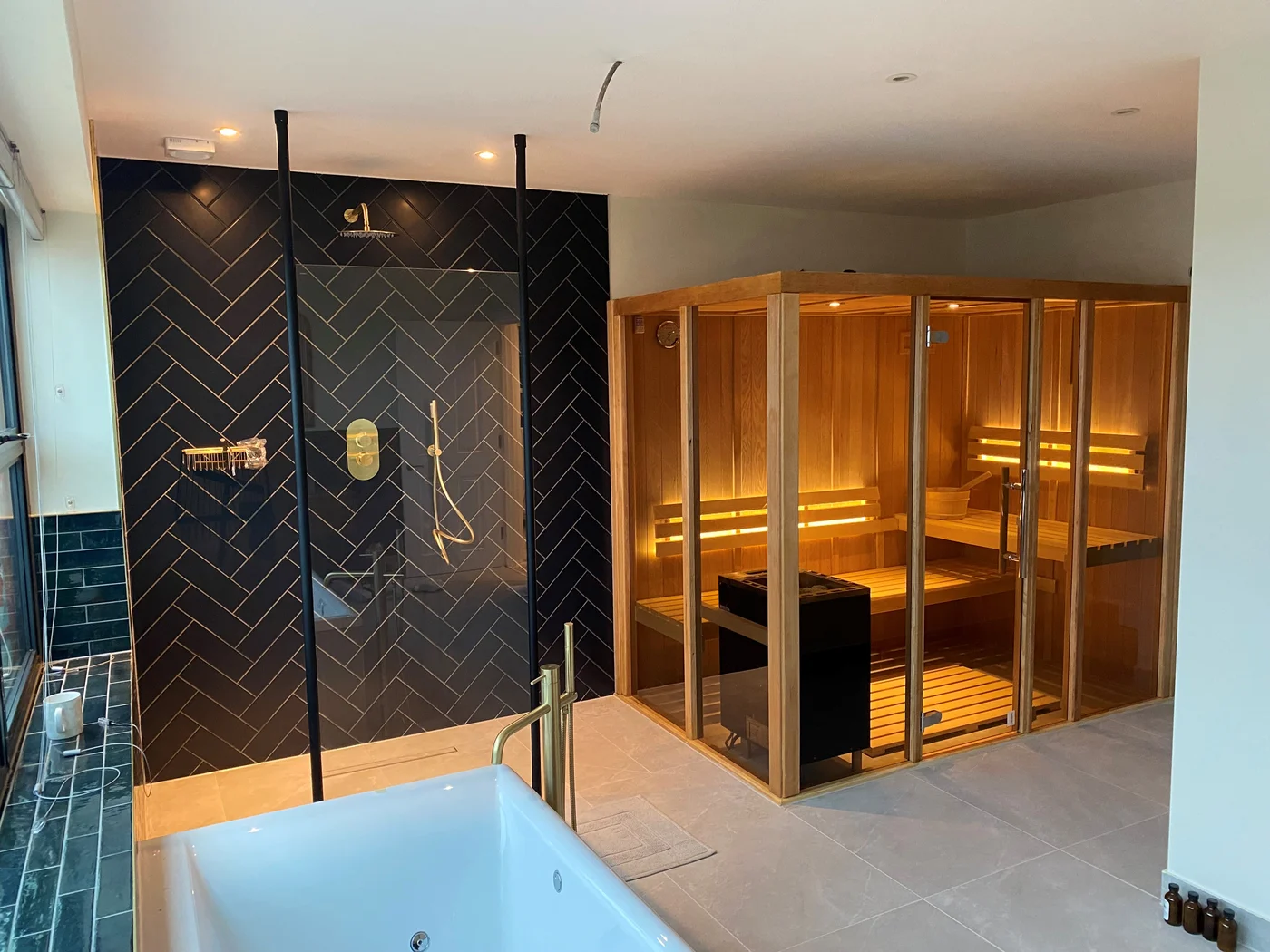 Design & installationCustom Sauna Design Ideas for Modern Homes and Luxury PropertiesTransform your home with bespoke custom sauna design. Learn expert tips for layout, technical installation, and maintenance from Vertex Climate specialists.4 min read
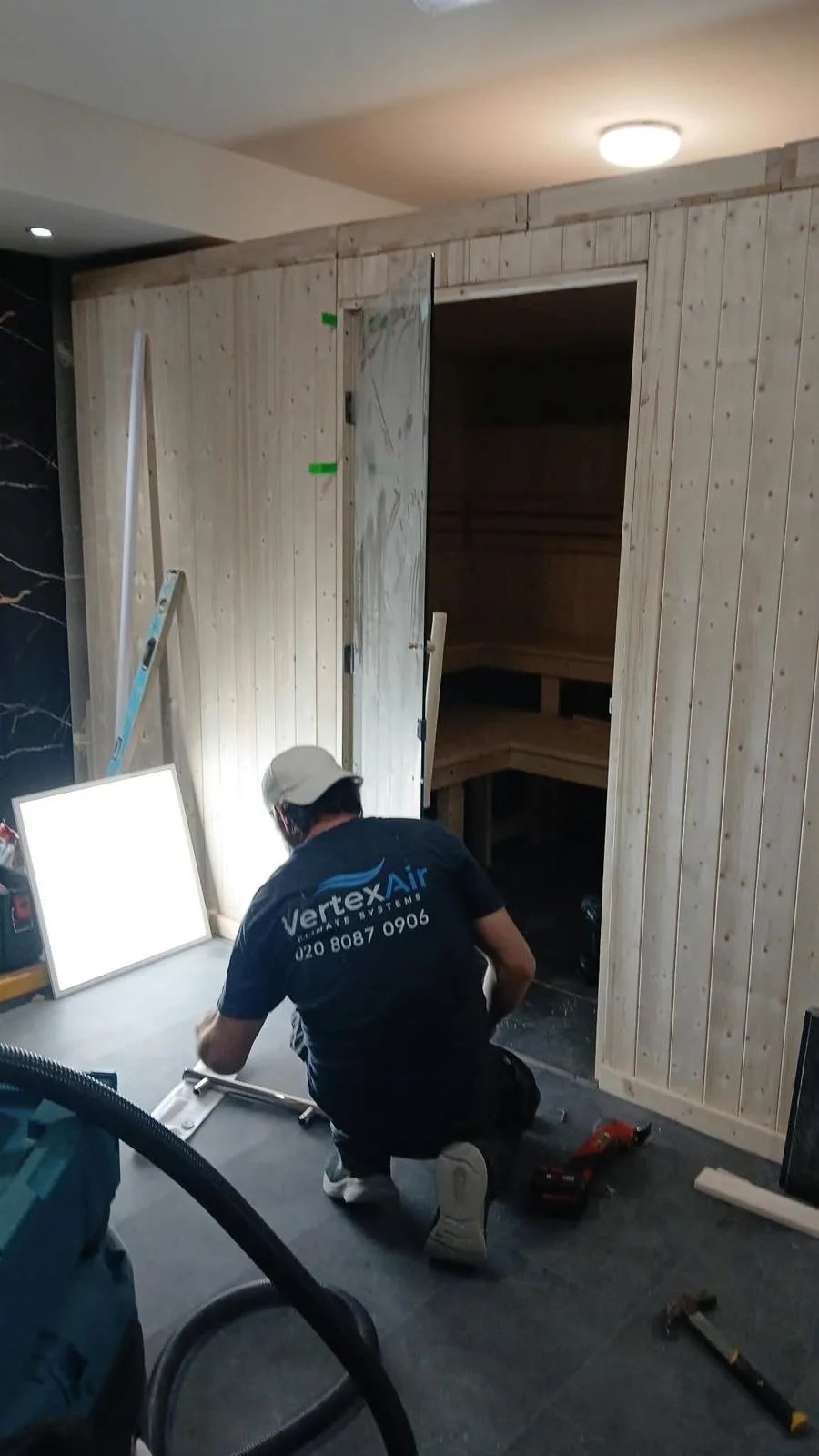 Design & installationCommon Sauna Installation Mistakes and How to Avoid ThemAvoid costly errors during your sauna project. Learn how to navigate design, ventilation, and electrical safety standards for a professional finish.5 min read
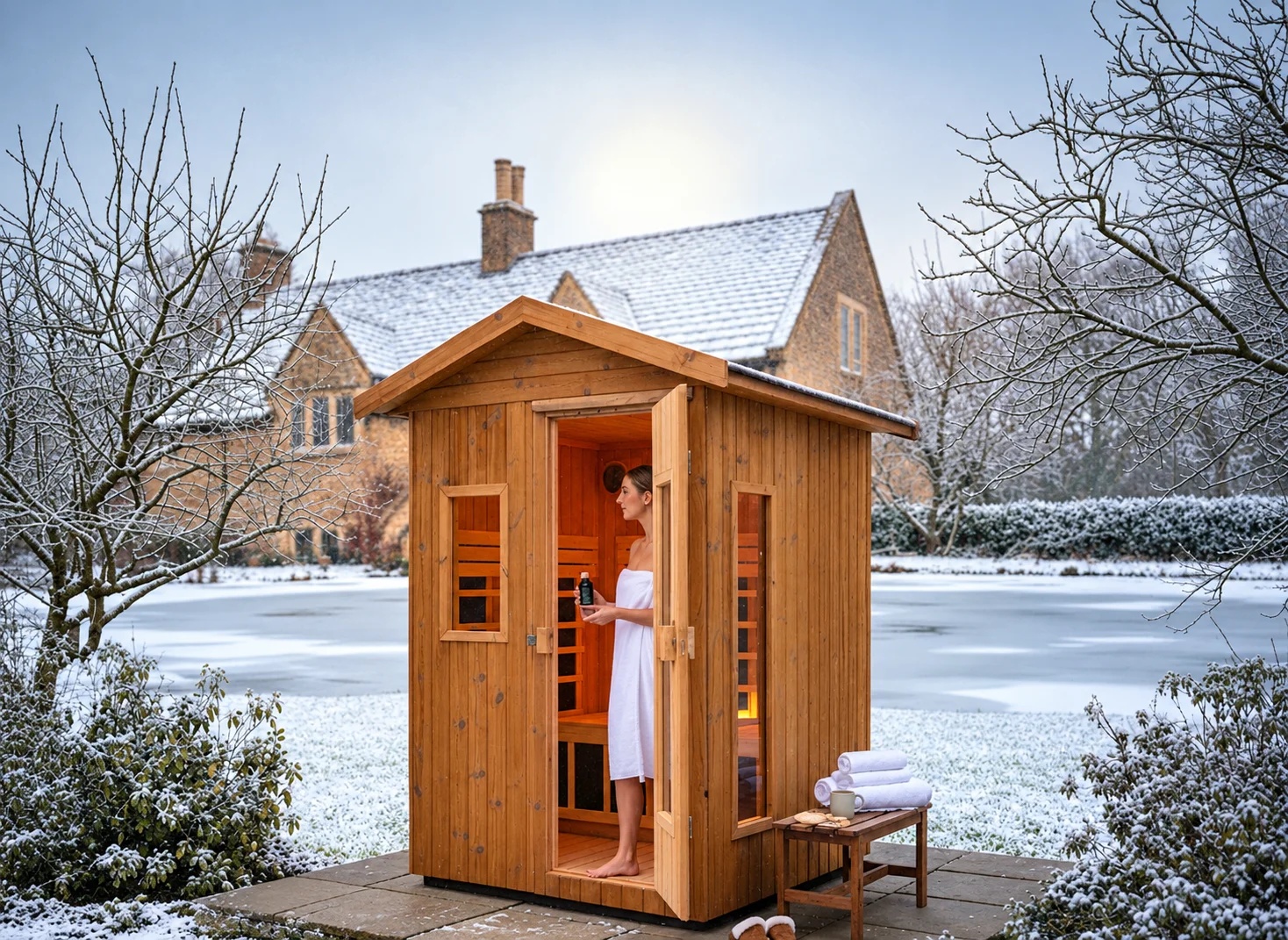 Design & installationIndoor vs Outdoor Saunas: Design, Installation and MaintenanceDeciding between indoor and outdoor saunas? Discover essential design, installation, and maintenance considerations for your perfect home wellness space.4 min read