Equipment & supply
Electric vs Wood-Burning Sauna Heaters: Which Is Best?
4 min read
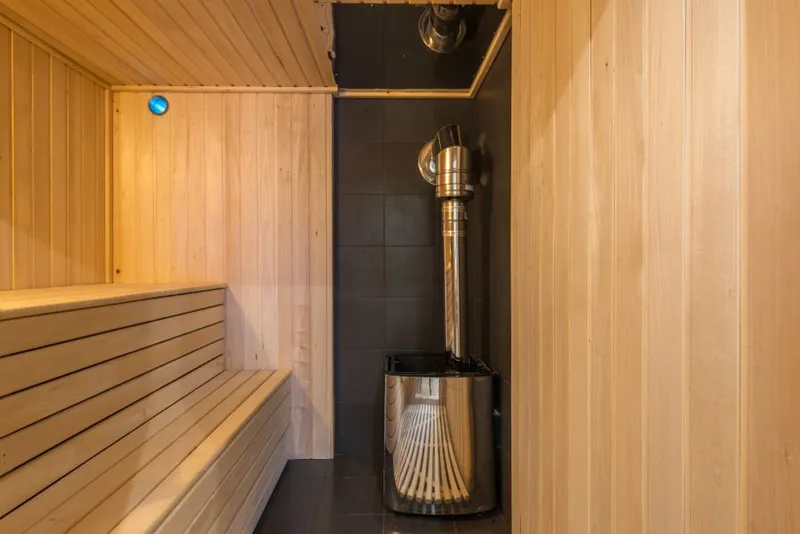
Choosing between electric vs wood-burning sauna heaters is a vital decision for your wellness space. VertexAir Climate Systems helps UK clients select equipment aligned with site requirements. While both offer traditional experiences, their operational profiles, installation needs, and regulations differ. Understanding these nuances ensures your project suits your lifestyle and property.
The Case for Electric Sauna Heaters
Electric units are favored for home use due to their convenience and precision. High-quality equipment like a Harvia heater provides rapid heat-up times and digital controls for accurate management. Because they lack combustion byproducts, they are simpler to integrate into internal rooms, provided the electrical infrastructure is specified correctly.
Installation requires professional input to meet specific amperage demands. Our qualified electricians evaluate your property's power capacity to ensure safe performance, preventing circuit overloads.
- Instant, clean heat production without exhaust requirements
- Digital control interfaces for accurate temperature adjustment
- Compact footprint suitable for diverse indoor sauna sizes
- Simplified maintenance compared to combustion-based systems
Understanding Wood-Burning Heater Requirements
Wood-burning heaters offer an authentic atmosphere, though they operate differently than electric models. They require dedicated flue systems to manage smoke and combustion gases, necessitating planning during early design phases.
These units generate intense heat around the firebox, requiring surrounding surfaces to be shielded with approved, non-combustible materials. Vertex Climate notes that wood-burning feasibility is strictly dictated by site-specific constraints and local building regulations.
- Provides a traditional, authentic sauna atmosphere
- Requires a professionally installed, compliant flue system
- Mandates strict clearance distances to combustible surfaces
- Involves ongoing fuel management and ash disposal tasks
Critical Ventilation for All Heater Types
Effective ventilation is essential for performance. According to manufacturer guidelines, like those from Harvia, a sauna should exchange its air volume six times per hour to maintain oxygen and manage humidity.
We calculate ventilation based on cabin volume and heater type. For electric models, we position supply vents to avoid interfering with temperature sensors, preventing erroneous readings and inefficient cycles.
- Mechanical ventilation is mandatory in many commercial layouts
- Air supply must be positioned to avoid cooling temperature sensors
- Exhaust vents facilitate rapid drying to protect timber integrity
- Gravity ventilation requires careful placement relative to the heater
Electrical Safety and Professional Installation
In England, electrical work is subject to Part P of the Building Regulations. Our team is qualified to handle these requirements, as DIY wiring for high-load heater equipment is a significant fire risk.
During installation, we verify safety interlocks. If you encounter tripping breakers or burning smells, stop using the sauna immediately. Do not attempt DIY repairs or bypass safety devices; rely on a professional to diagnose faults.
- Strict adherence to Part P regulations for electrical safety
- Professional verification of circuit capacity and load balancing
- Installation of necessary safety interlocks for remote operations
- Immediate isolation protocol for suspected electrical faults
Planning Permission and Local Regulations
Confirm project compliance before finalizing your heater choice. While permitted development rights may apply to outdoor saunas, they have strict height and boundary conditions.
Listed buildings or those in conservation areas almost certainly require formal planning permission. We recommend checking the Planning Portal, as legal compliance remains the responsibility of the property owner to prevent project delays.
- Check Permitted Development limits on height and boundaries
- Special rules apply to listed buildings and designated land
- Consult local planning authorities for specific site conditions
- Ensure all project documentation aligns with local regulations
Distinguishing Cleaning from Specialist Servicing
There is a clear distinction between operator cleaning and specialist servicing. Daily maintenance, such as ensuring the sauna is dry, must be performed on cool, isolated equipment using approved agents.
Never use harsh abrasives or pressure washers. Specialist servicing should be scheduled to check heating elements, stone stability, and sensor calibration. Routine maintenance reduces the risk of downtime and ensures a safe experience.
- User cleaning must only occur on cool, isolated equipment
- Avoid abrasive chemicals that degrade timber and metal surfaces
- Specialist servicing includes critical heater safety checks
- Regular maintenance schedules prolong the life of all components
Next Steps for Your Sauna Project
Selecting the right system is the first step in creating your ideal wellness retreat. Whether choosing an electric Harvia unit or a wood-burning system, success hinges on expert design and certified installation.
VertexAir Climate Systems manages the complexities of your project, from technical ventilation to electrical certification. Contact us to discuss your design aspirations and ensure your sauna is planned for maximum comfort and safety.
Keep the final equipment schedule with the operating manuals, rather than relying on a product name in an email. Record model references, included accessories and any exclusions before accepting delivery. This gives the installer a clear basis for checking the order and helps the owner identify compatible replacements later.
- Expert advice on heater selection for your specific cabin
- Full installation services by qualified, in-house experts
- Tailored design planning for indoor or outdoor environments
- Comprehensive support for commercial and residential projects
Sources and further reading
Related articles
All articles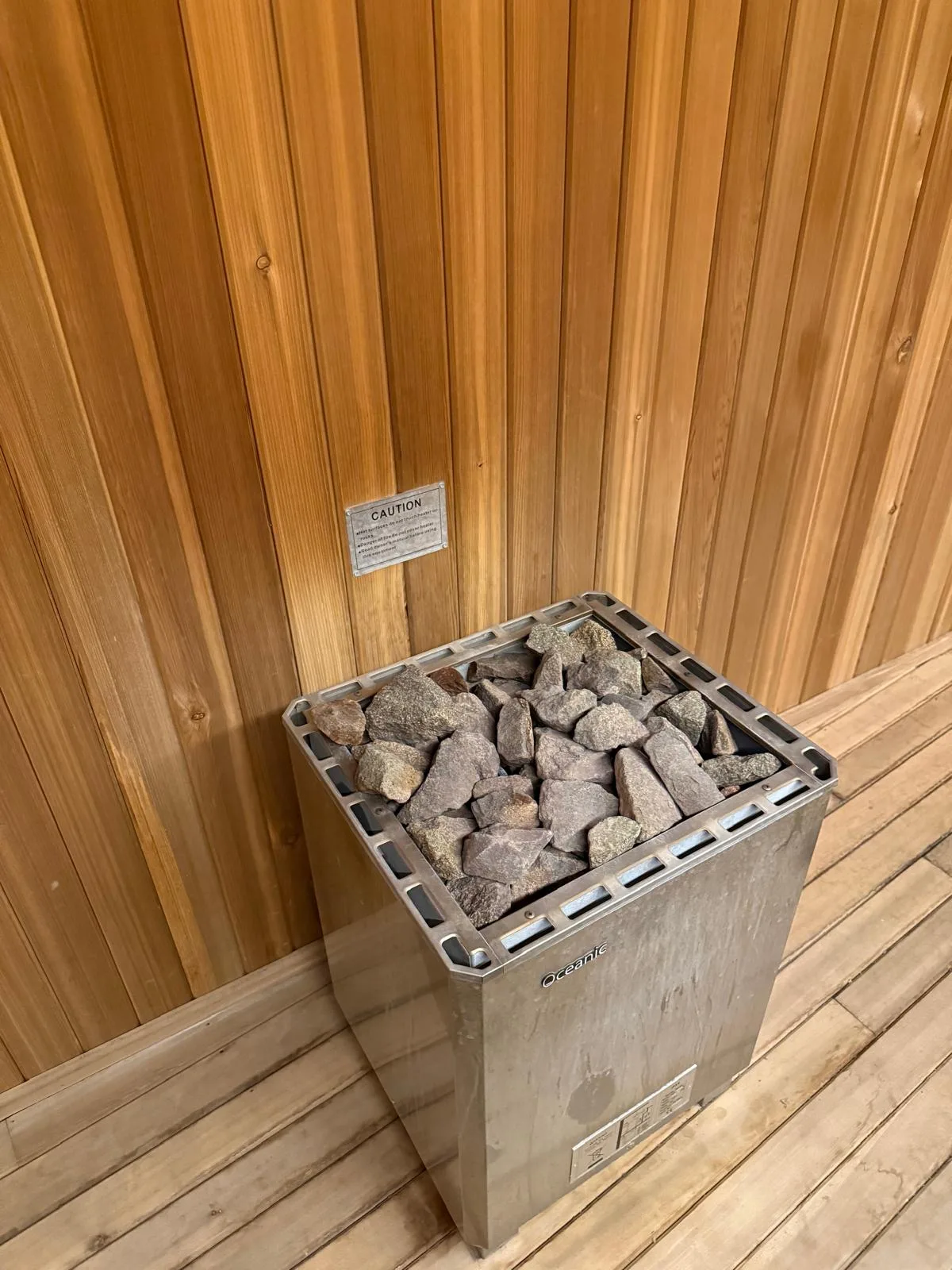 Equipment & supplyHow to Choose the Right Sauna Heater for Your ProjectLearn how to select the ideal sauna heater for your project. Our guide covers capacity, electrical safety, professional installation, and maintenance standards.4 min read
 Equipment & supplyA Complete Guide to Sauna Stones: Selection, Placement and ReplacementDiscover how to choose, place, and replace your sauna stones for optimal performance and safety. Expert guidance for a superior traditional sauna experience.5 min read
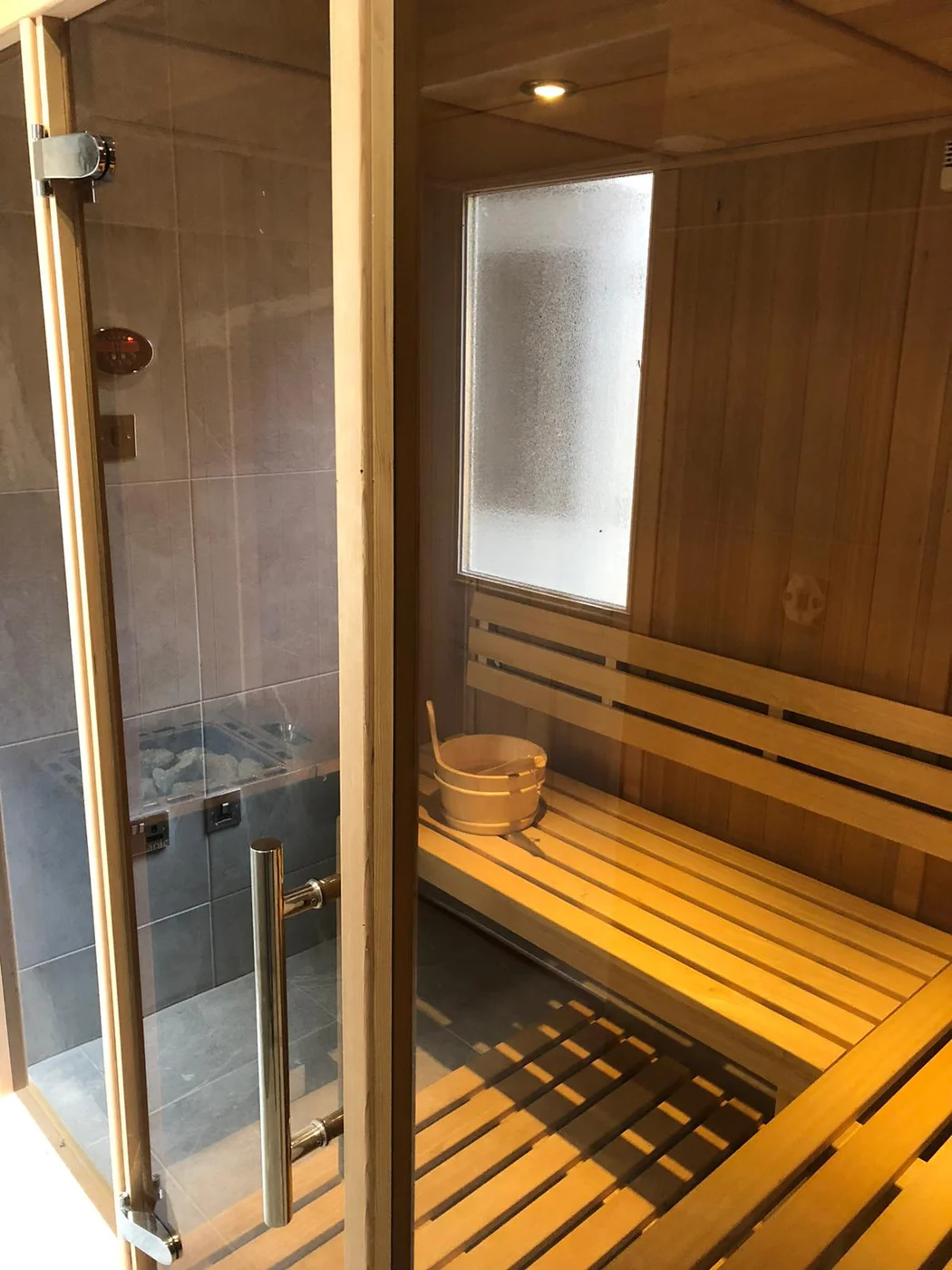 Equipment & supplyEssential Sauna Accessories Every Installation Should IncludeEnhance your sauna with essential accessories. From ventilation to control systems, learn how to optimise safety and performance in your custom sauna build.4 min read