Equipment & supply
How to Choose the Right Sauna Heater for Your Project
4 min read
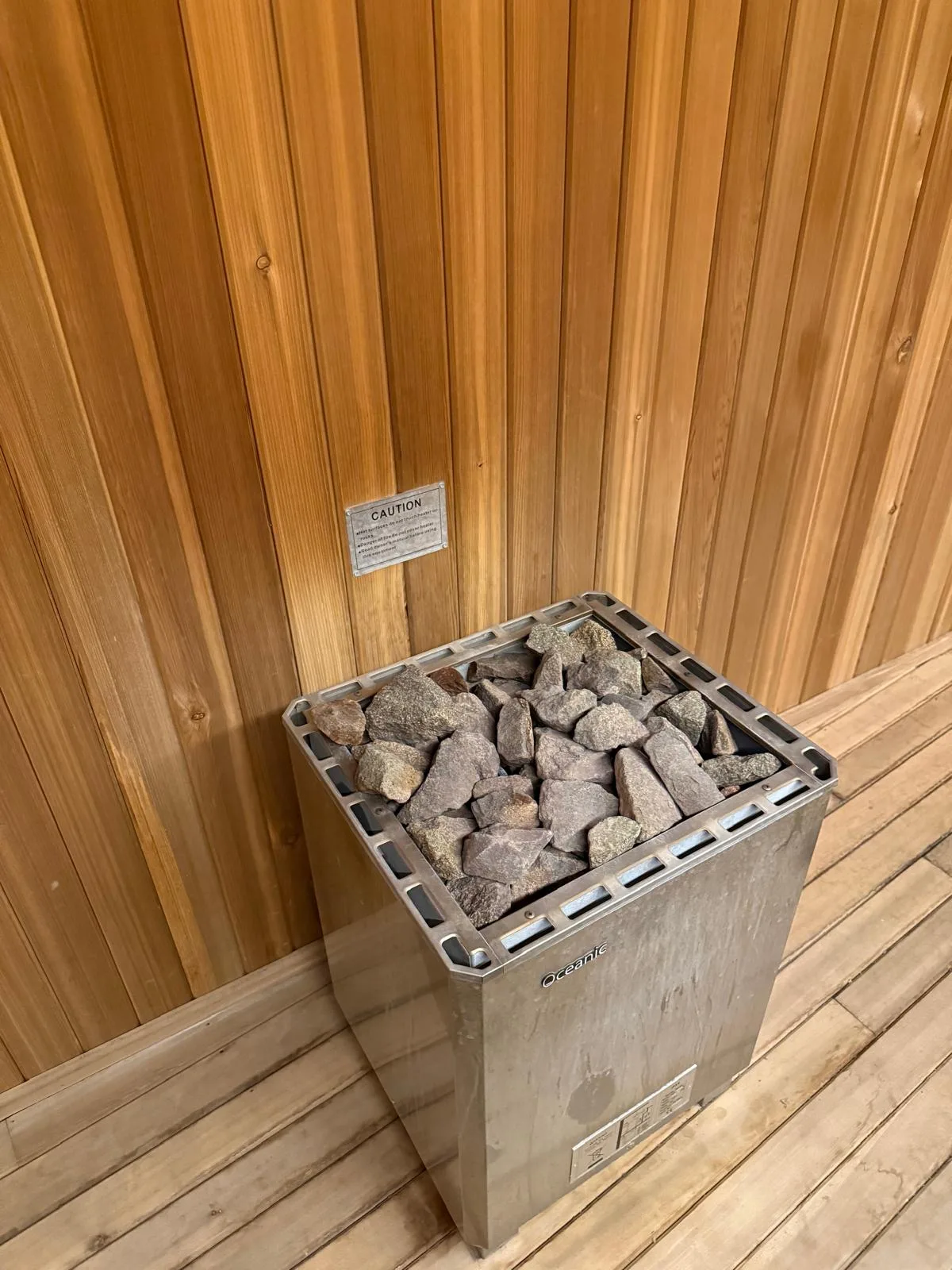
Selecting the correct sauna heater is the most critical decision in any sauna design project. As a central component, your choice influences the cabin's heating performance, safety, and longevity. Whether you are planning a bespoke traditional cabin or a commercial suite, understanding the technical demands of your space is essential for a reliable, professional-grade result.
Understanding Your Sauna Heater Requirements
The primary factor in heater selection is the volume of your sauna room. Heater output, measured in kilowatts, must be precisely matched to the cabin's cubic capacity to ensure efficient operation. An undersized unit results in ineffective cycles, while an oversized one causes uneven temperatures and wasted energy.
Beyond power, you must consider the installation type. At VertexAir Climate Systems, we specialise in premium Harvia heaters tailored to specific layouts. Your choice must account for construction materials, such as glazing or stone, which significantly affect heat retention and the total power required for a comfortable environment.
- Calculate the exact cubic metre volume of your sauna room.
- Account for the impact of glass walls or stone on heat loss.
- Ensure the chosen heater fits manufacturer-recommended clearances.
The Benefits of Electric Sauna Systems
Electric sauna heaters are the gold standard for modern projects due to their precision and reliability. Unlike wood-burning stoves that require complex flue management, electric systems offer a cleaner, controlled environment. They are ideal for both luxury residential suites and busy commercial facilities requiring straightforward maintenance.
Modern units feature sophisticated interfaces for precise temperature management and scheduling. Integrating these high-quality components ensures a consistent, repeatable user experience. Always consult the specific manufacturer manual for your model, as it dictates the essential electrical requirements and safety protocols for your project.
- Electric heaters allow for consistent temperature control.
- Compact designs provide flexibility in bench layout.
- Lower maintenance requirements than combustion-based systems.
Professional Installation and Safety Standards
Sauna installation is a technical discipline that is not a DIY task. Wiring requires handling high-load electrical circuits that must comply with strict safety regulations. In England, electrical work in dwellings must adhere to Part P of the Building Regulations, requiring inspection and certification by a competent person.
Our team of qualified in-house electricians manages the connection process. We ensure the heater is correctly bonded and that all safety sensors—designed to prevent operation under dangerous conditions—are positioned precisely per the manufacturer's technical specifications. Professional installation ensures your system operates safely and efficiently.
- Use qualified electricians for high-load circuit connections.
- Ensure all safety interlocks and sensors are installed correctly.
- Adhere strictly to Part P of the Building Regulations.
Ventilation and Performance Synergy
A heater is only as effective as its surrounding ventilation. Proper airflow is vital; fresh air must be introduced near the heater to support oxygen circulation, while exhaust vents must manage humidity. If air is not moving correctly, the heater will struggle to maintain the desired temperature.
Ventilation placement is also critical to sensor performance. If a supply vent is placed too close to the temperature sensor, cooling air can confuse the thermostat, leading to erratic operation. We plan ventilation and heater placement together to ensure your sauna maintains its intended climate without interference from drafts.
- Supply air should circulate near the heater base.
- Avoid airflows that cool the heater’s temperature sensors.
- Plan exhaust systems to manage post-use humidity efficiently.
Commercial Project Considerations
For hotels, gyms, and wellness centres, heater durability is paramount. Commercial-grade units are engineered for high-frequency usage, often featuring larger stone capacities to handle continuous operation. These robust units are built to withstand the rigours of high-traffic environments while providing consistent warmth for guests.
During procurement, we evaluate models based on projected usage patterns, capacity, and energy efficiency targets. A well-specified commercial heater is the foundation of a successful wellness installation, minimising potential downtime and ensuring that your clients enjoy a high-quality, professional experience every time.
- Select heavy-duty heaters for high-frequency use.
- Prioritise larger stone capacities for better heat stability.
- Schedule regular professional servicing to ensure longevity.
Planning Permission and Site Compliance
Before installing a sauna, particularly an outdoor cabin, consider the planning context. While many outbuildings are permitted development, specific rules regarding heights, boundaries, and proximity to your dwelling apply. Failure to account for these regulations early in the design phase can lead to significant project delays.
We advise clients to consult their local planning authority if there is any doubt regarding the location or structure of their project. By addressing compliance, ventilation needs, and electrical capacity early, you ensure the project proceeds smoothly from the initial concept to the final commissioning of your new sauna system.
- Consult local planning authorities for outdoor projects.
- Check property boundary restrictions and height limits.
- Verify electrical capacity before finalising the sauna site.
Ongoing Maintenance for Longevity
Consistent maintenance is the best way to protect your investment. This involves regular cleaning of the cabin and routine checks of the heater components. While operators can manage light cleaning of benches, specialist servicing should be reserved for the technical and electrical elements of the heater.
We recommend a structured maintenance schedule, from daily care to annual professional inspections. Keeping the heater clear of debris and ensuring the stones remain in good condition will prevent premature wear and maintain high performance. Always isolate and cool the equipment before starting any maintenance work.
- Implement daily, monthly, and annual maintenance schedules.
- Use only manufacturer-approved cleaning agents.
- Contact professional technicians for electrical servicing.
Sources and further reading
Related articles
All articles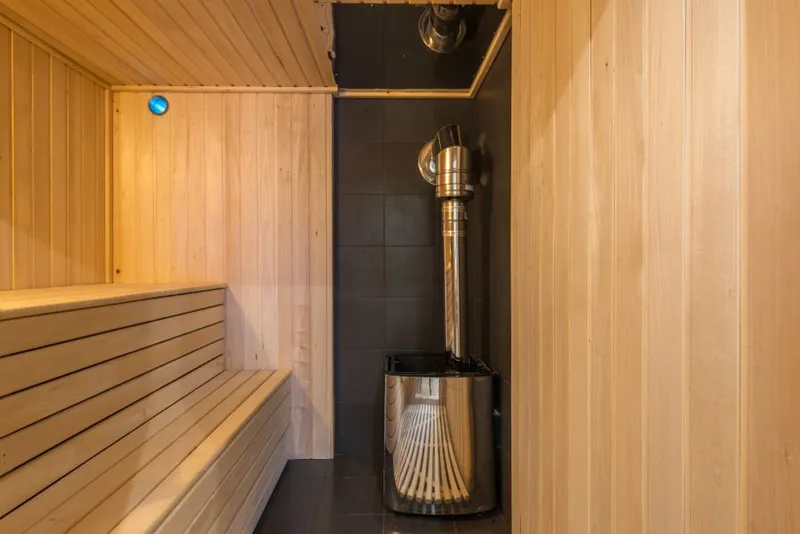 Equipment & supplyElectric vs Wood-Burning Sauna Heaters: Which Is Best?Comparing electric vs wood-burning sauna heaters for your UK installation. Understand power requirements, installation needs, and operational differences.4 min read
 Equipment & supplyA Complete Guide to Sauna Stones: Selection, Placement and ReplacementDiscover how to choose, place, and replace your sauna stones for optimal performance and safety. Expert guidance for a superior traditional sauna experience.5 min read
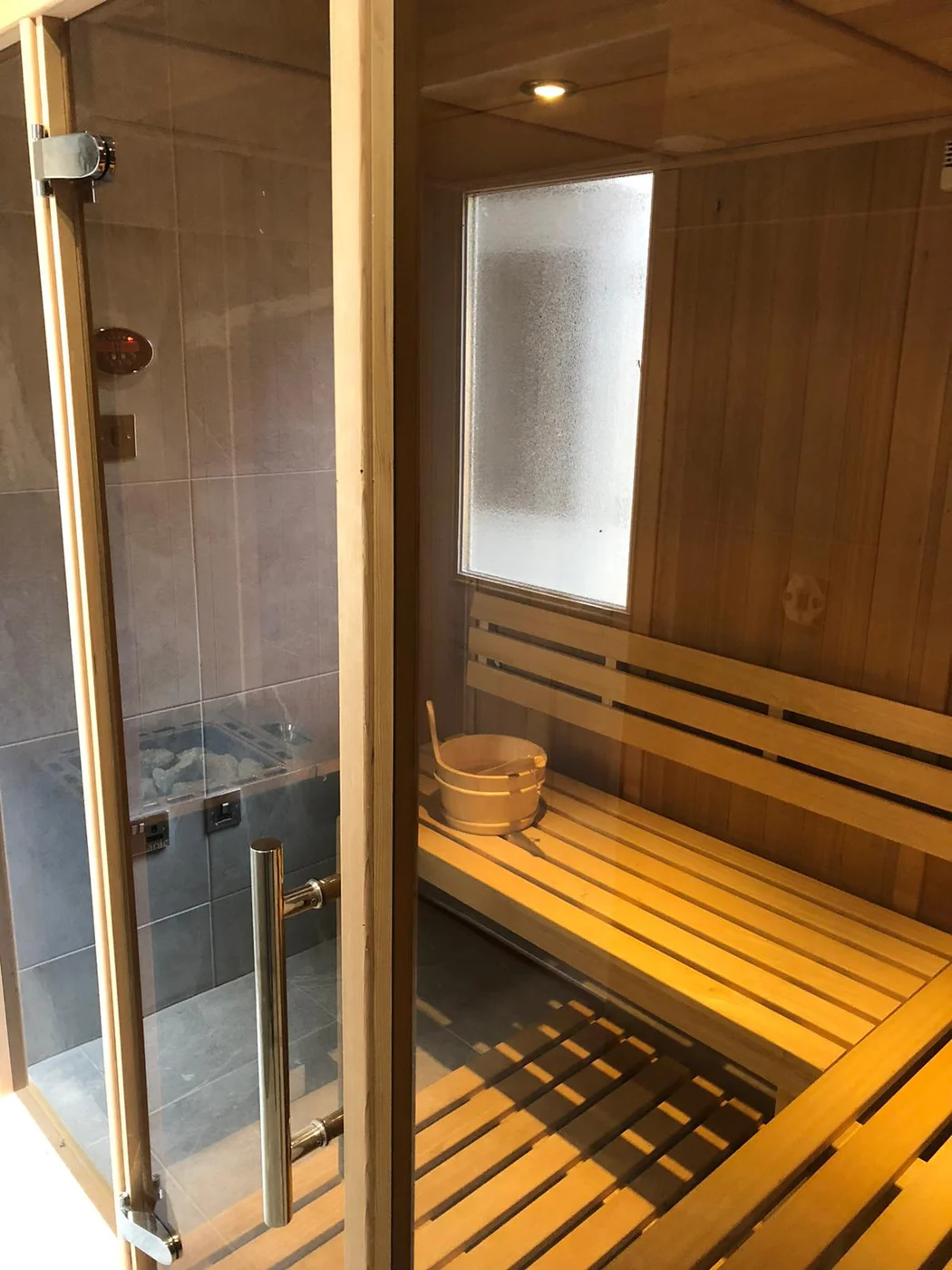 Equipment & supplyEssential Sauna Accessories Every Installation Should IncludeEnhance your sauna with essential accessories. From ventilation to control systems, learn how to optimise safety and performance in your custom sauna build.4 min read